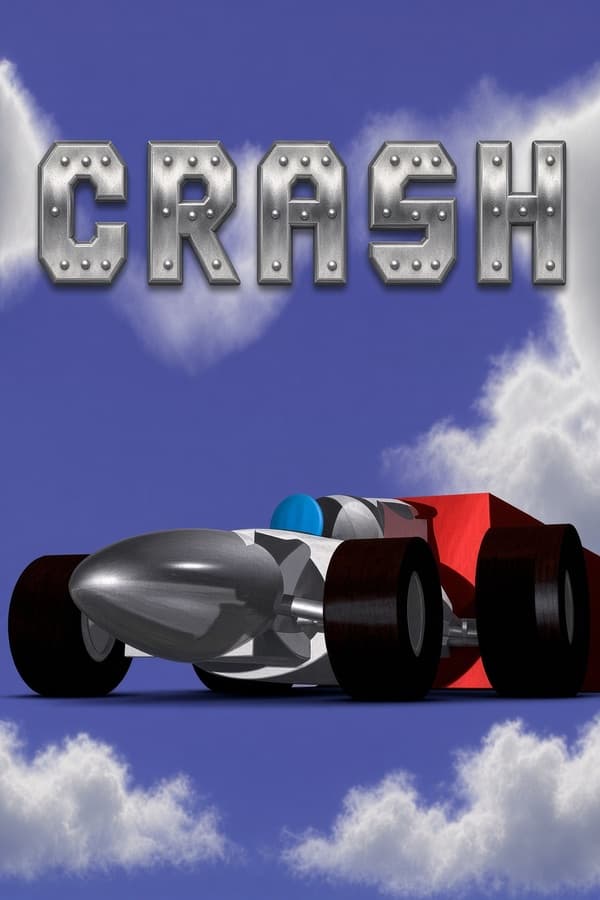
CRASH
Rate this game
- Played
- A lot
Fire up CRASH and you are dropped directly into a futuristic arena where survival means laying down lethal light trails while hurling rockets at opposing drivers. Developed by Digital Nightmares, this top-down combat racer turns the classic light-cycle concept into an arena bloodsport for prize money.
Dropping into the arena of CRASH without a map
The story sets up a dystopian year 2234 where the United Planet Federation sponsors brutal arena combat races to keep the public entertained. You take control of a futuristic hover vehicle, aiming to be the last survivor out of a pack of up to eleven drivers. The view is strictly top-down, showing your vehicle gliding over the grid while leaving a solid wall behind your tailpipes.
Winning requires balancing aggressive pursuit with survival instinct. You have to evade outer walls, steer clear of opponent paths, and avoid clipping your own trail during tight turns. The core loop is simple, but the moment-to-moment action demands fast reflexes when dodging incoming fire or attempting to cut off an AI vehicle at top speed.
The primary issue hit within your first three minutes is the massive scale of the arena. Without any minimap or radar overlay on the screen, finding the remaining opponents across the vast grid can become an exercise in aimless wandering. You will frequently find yourself cruising along empty corridors, hunting for engine noise or rogue rockets, only to accidentally smack headfirst into an old energy wall left behind ten seconds earlier.
Rockets, turbos, and high-speed light trails
To survive against computer opponents, your vehicle comes standard with mounted rockets and a turbo boost. Weapons do not fire infinitely; rockets require a noticeable cooldown period between shots, forcing you to line up attacks carefully rather than spamming explosives across the arena. Rockets can shatter obstacles in your path or directly blow up rival racers if you land a clear hit.
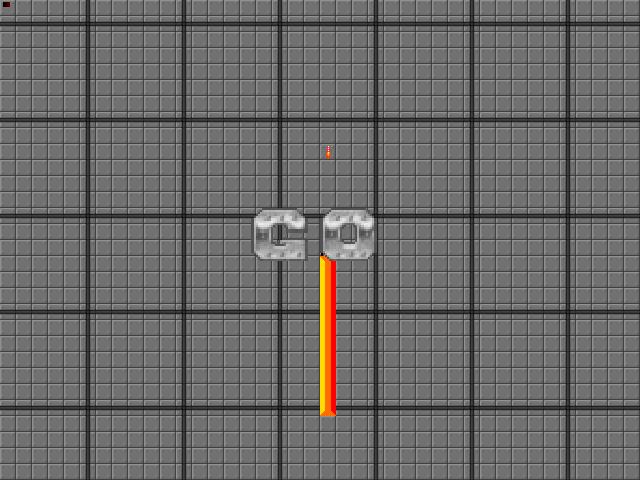
The vehicle mechanics react quickly, though steering takes some getting used to when dodging at maximum speed. Turbo boosts let you close the distance on an enemy car or quickly dodge an incoming line, but overusing turbo often shoots you directly into a wall. The tactical depth comes from setting traps, using your turbo to overtake an opponent, cutting hard across their bumper, and leaving a trail wall directly in their path.
While playing solo against nine or ten AI cars presents a chaotic battle royale, local split-keyboard multiplayer is where the game shines brighter. The DOS release supports two human players on one keyboard, while the later Windows shareware version expanded local play up to four. Tricking a friend into turning directly into your light trail provides the kind of immediate arcade satisfaction that single-player matches struggle to match.
Gravis Ultrasound audio and the spelling blunder
Digital Nightmares released the DOS version of this title as freeware in March 1996 before creating a shareware release for Windows. For an indie project from that year, the visual presentation hits the right notes with a clean title screen and slick menu system. The metallic hover vehicles and glowing trails look sharp against the dark floor of the arena grid.
Sound card support was quite flexible for DOS players, offering solid AdLib and Sound Blaster output. However, configuring the setup for Gravis Ultrasound emulation in DOSBox yields the best audio output, delivering punchier explosion sounds and clearer background tracks. The ambient audio adds much-needed tension while you track down the final opponents in the arena.
One detail every player remembers is the defeat screen. When your vehicle slams into a wall and explodes into scrap metal, the game greets you with a full-screen taunt declaring that you are a "looser". That spelling mistake stuck in everyone's head, turning an otherwise frustrating death into something you end up quoting back to the screen.
Where this sci-fi combat racer falters and succeeds
Looking back at 1996, Digital Nightmares delivered a solid action premise, but the execution suffers from a few glaring design choices. The sheer size of the playing field paired with zero navigation aids hurts the single-player pacing significantly. When only one computer opponent remains, hunting them down on the sprawling map feels tedious rather than tense.
Despite that flaw, the vehicle controls remain snappy, and the weapon cooldown system keeps combat balanced. As a pure action game, it delivers quick blasts of light-cycle combat without bloating the experience with complicated upgrades or long cutscenes. It plays fast, punishes small driving errors instantly, and keeps you restarting for another run.
- Top-down vehicular arena combat featuring light-trail traps
- Mounted rocket launchers with enforced recharge timers
- Turbo boost system for clutch overtakes and sudden evasions
- Local multiplayer support for head-to-head racing action
- Freeware distribution origin on MS-DOS systems
Take the wheel directly in your browser
If you want to try this DOS arena action, you can load it up right now. You can play CRASH online free in your browser without worrying about setting up DOSBox audio drivers or mounting disk images manually. It boots in seconds, so you get straight to cutting off opponents with your light trails.
Fire up a match, test your reflexes against the computer AI, and try to avoid seeing the famous spelling blunder on the game over screen. You can enjoy this CRASH MS-DOS game directly in your web browser tab right now and see how long you survive the UPF arena.
Players' controls
Touch and gamepad controls
The on-screen keyboard and gamepad mapping the browser player uses on a phone, a tablet or a controller, as opposed to the real keys above. $PRO members make their own in the player and share them here; anyone can pick one to play with.
Make your own touch controlsPRO
- 1Open the editorSign in below, then pick what to make. The game starts with the editor open over it.
- 2Place your keysAdd keys and drag them where your thumbs rest, or map a controller's buttons. Test plays the game with them; Save keeps them, and you play with them from then on.
- 3Share themShare them right after saving in the game, or name and share them here. Players vote, and the best become this game's controls for everyone.
Go PROSee how it worksSign in+20 XP for sharing · +50 XP if yours become the game's own
- The game's own controlsNone yet: played with a real keyboard only.In use
2 screenshots
From the archive
No reviews yet
Tell the community what you think of CRASH. Reviews are public and tied to your username.
No archived manuals for CRASH yet
No manuals archived for this title yet. Sign in to upload the first scan.
Cheat codes, console commands and memory pokes for CRASH — each one verified and attributed.
Sign in to submitNo cheats yet for this title
Know a working cheat, poke or trainer? Add it with the button above. Moderators check every entry before it goes live.
No archived soundtrack for CRASH yet
No soundtrack archived for this title yet. Sign in to upload the first rip.
No save states for CRASH yet
No save states for this title yet. Sign in to share one.
Discussions
Sign in to post- Threads0
- Total posts0
- Online now6
Community · CRASH
Who's contributing, and what's new
- Reviews0
- Threads0
- Uploadsapproved0
- Contributors0
Recent activity