Community ranking · 7,379 titles catalogued
The best DOS games, ranked by the people who play them.
Player ratings decide the order, real play activity breaks the ties, and nobody edits the result by hand. Rate one game you know and the list you are looking at changes.
- 7,379Titles catalogued
- 816Playable in the browser
- None yetMember reviews
- 1981–1999Years covered
The ranking
The top 100 DOS games right now
Sorted by one score out of five, recomputed continuously from players' ratings and how much the games are played here.
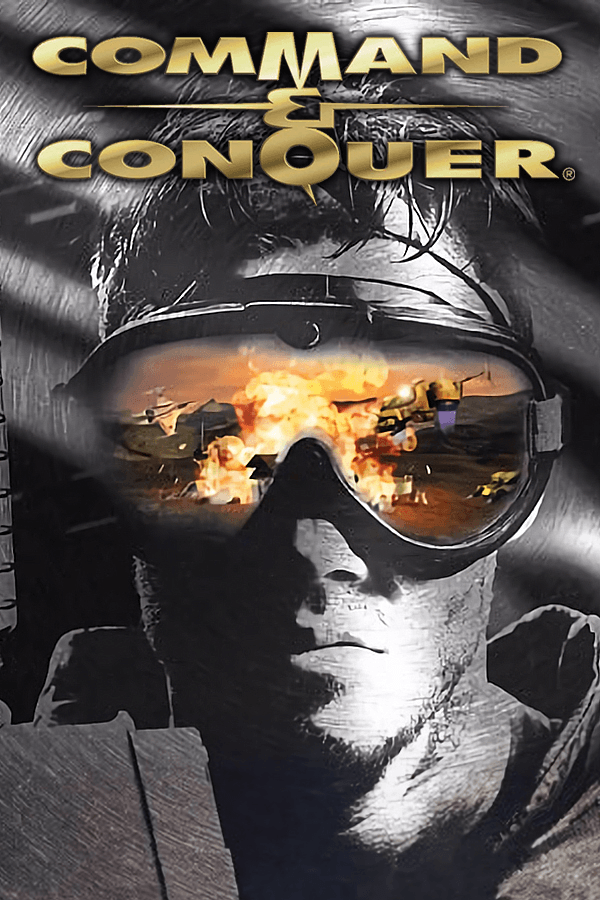 1. Command & ConquerVirgin Interactive Entertainment, Inc. · Strategy / tactics · 1995Played all the timeAll the time3.9 out of 5
 All the time3.9 out of 5
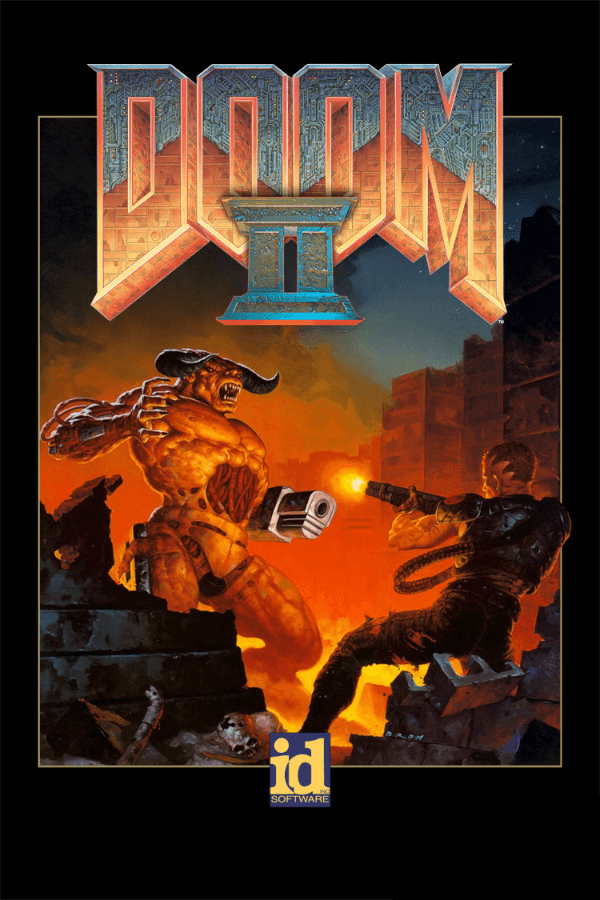 All the time3.9 out of 5
 All the time3.9 out of 5
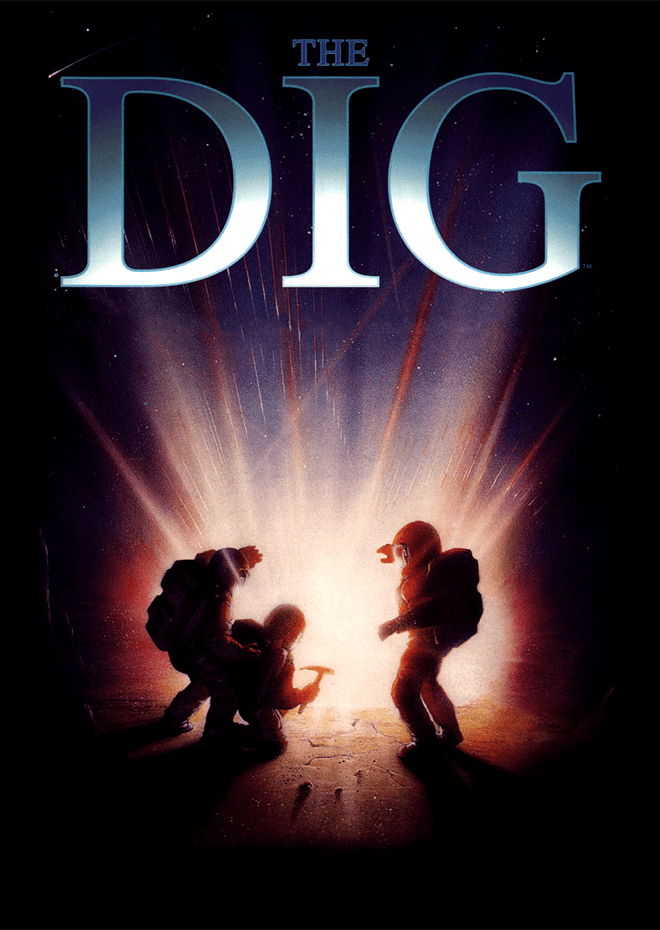 All the time3.8 out of 5
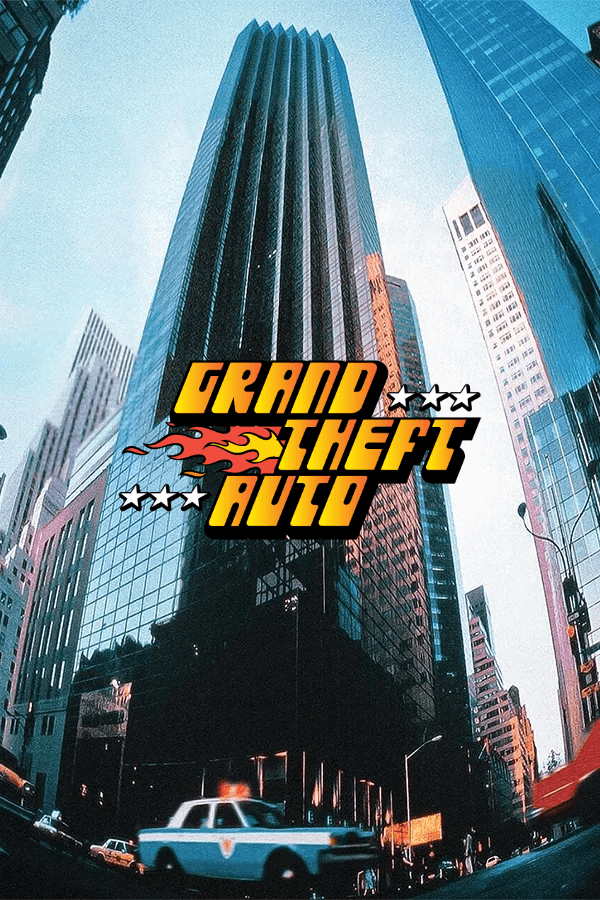 All the time3.8 out of 5
 All the time3.8 out of 5
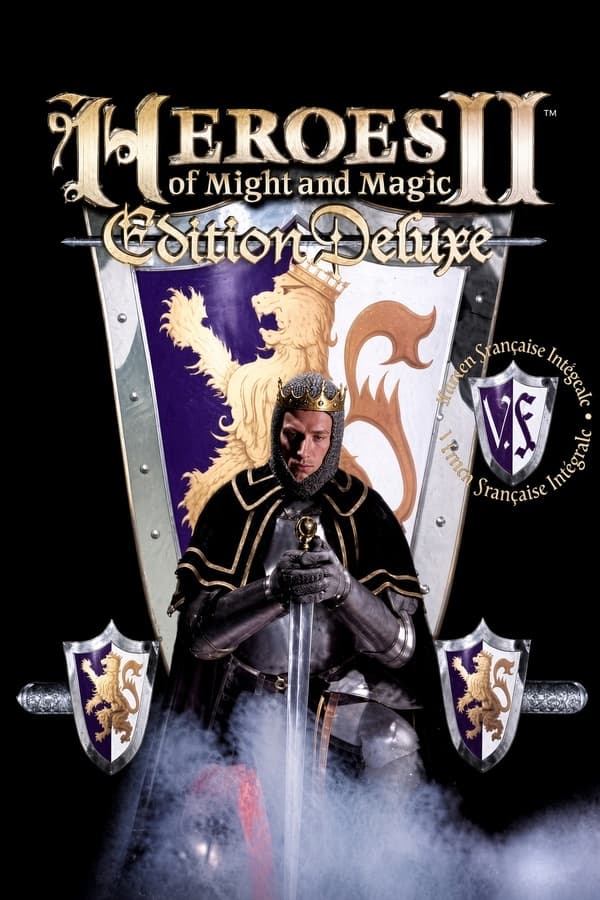 9. Heroes of Might and Magic II (Deluxe Edition)The 3DO Company · Strategy / tactics · 1998Played all the timeAll the time3.7 out of 5
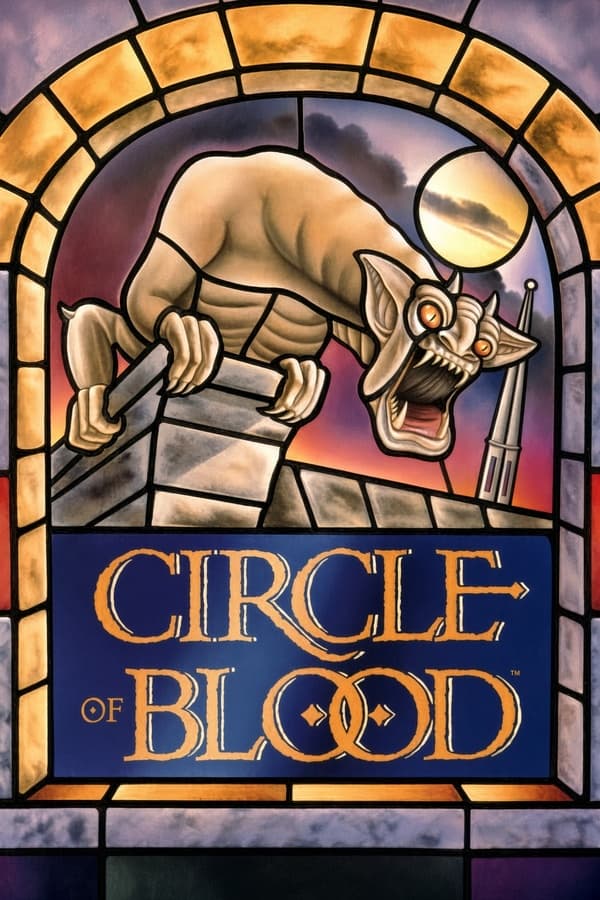 All the time3.7 out of 5
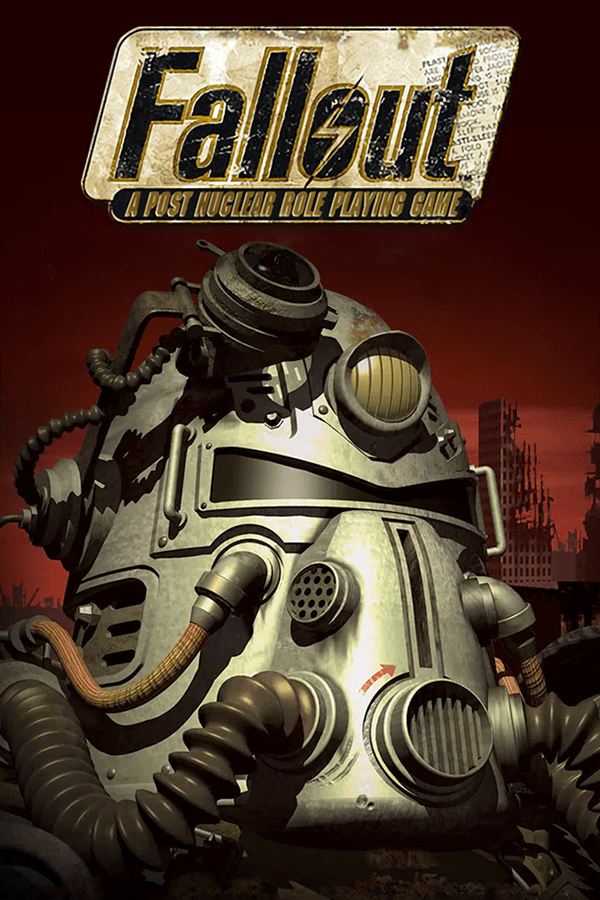 All the time3.6 out of 5
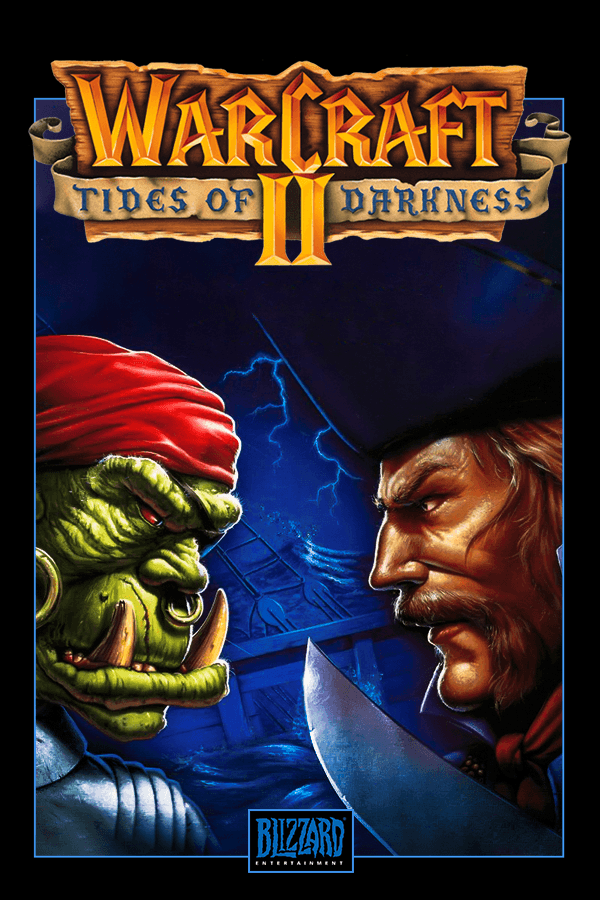 14. Warcraft II: Tides of DarknessBlizzard Entertainment · Strategy / tactics · 1995Played all the timeAll the time3.6 out of 5
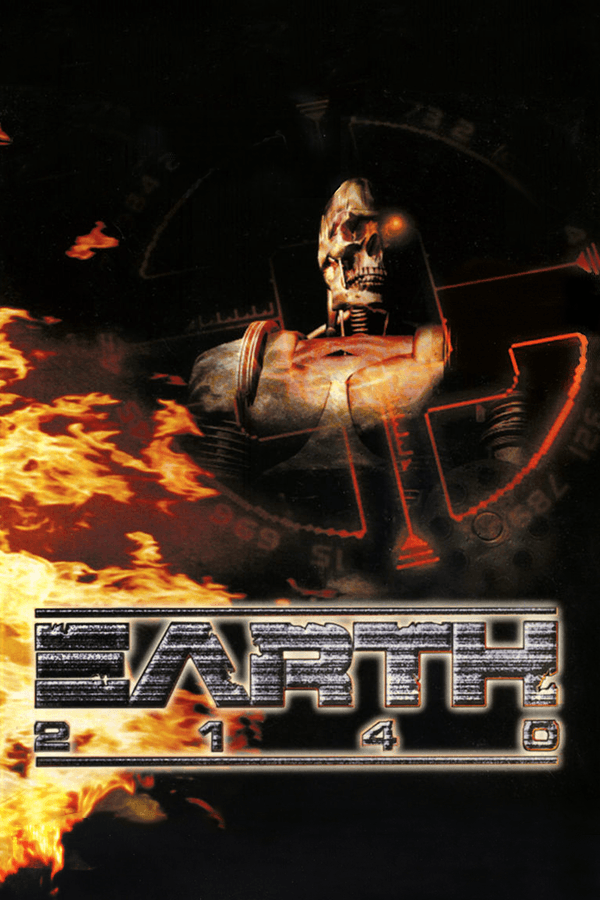 All the time3.6 out of 5
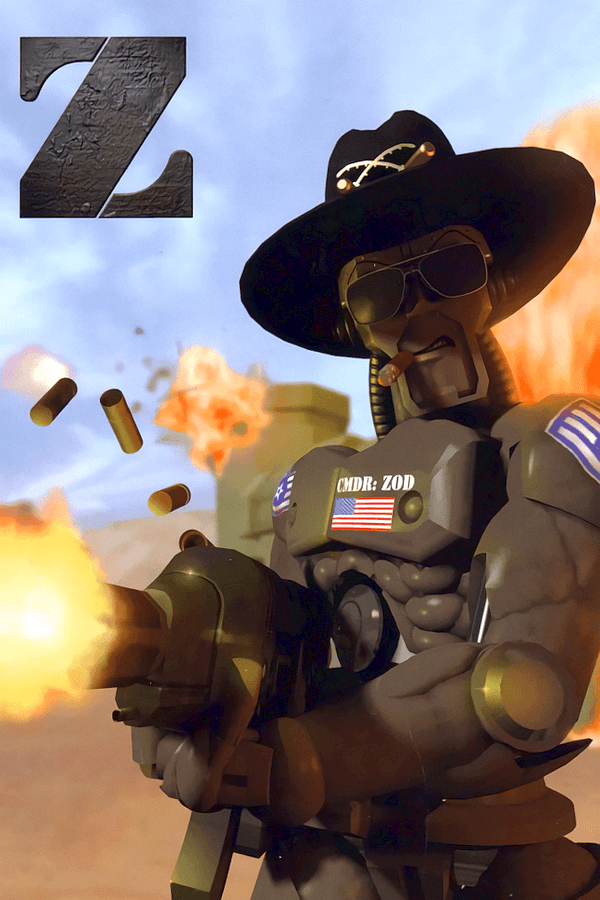 All the time3.6 out of 5
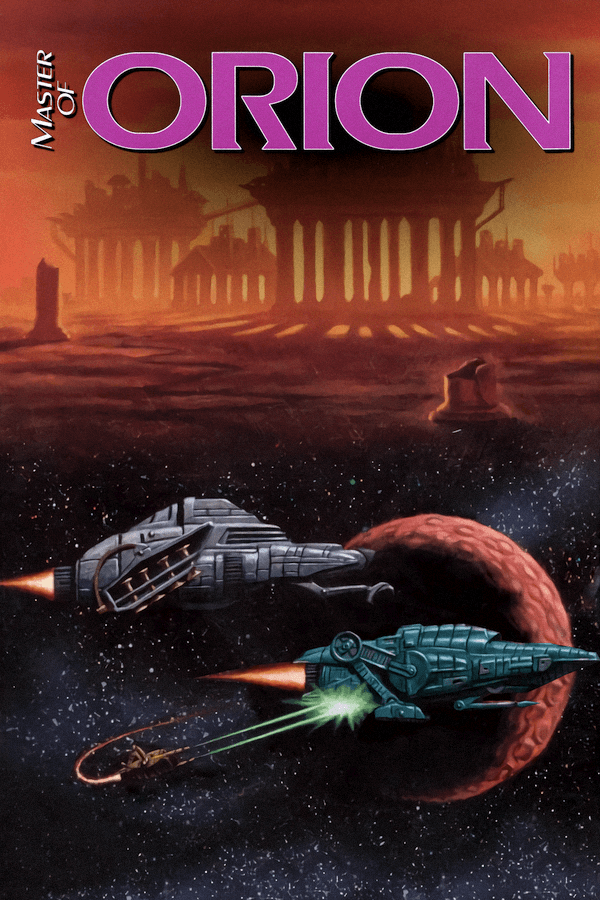 All the time3.6 out of 5
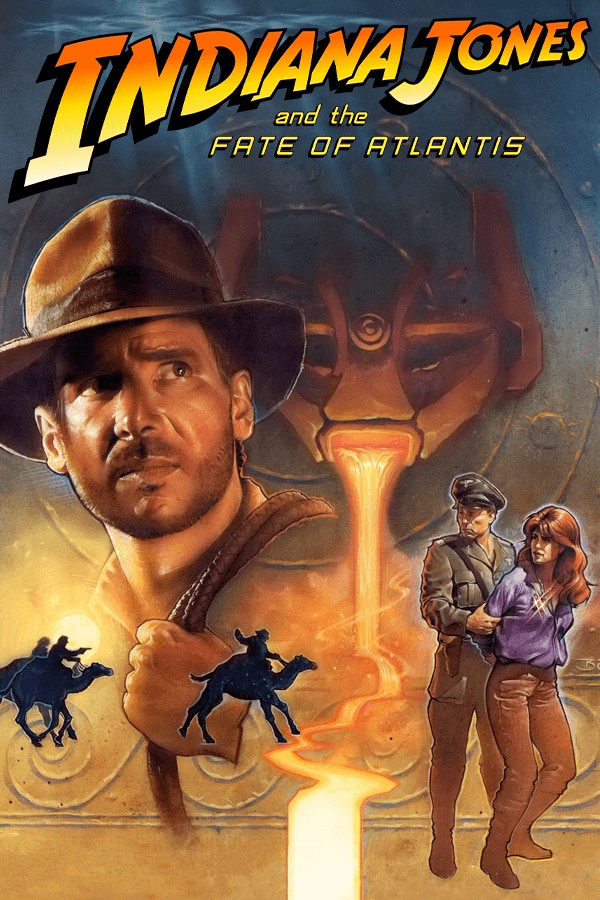 21. Indiana Jones and the Fate of AtlantisLucasArts Entertainment Company, LLC · Adventure · 1992Played all the timeAll the time3.6 out of 5
 25. Lands of Lore: Guardians of DestinyVirgin Interactive · Role-playing (RPG) · 1997Played all the timeAll the time3.5 out of 5

Show ranks 26–100
 All the time3.5 out of 5
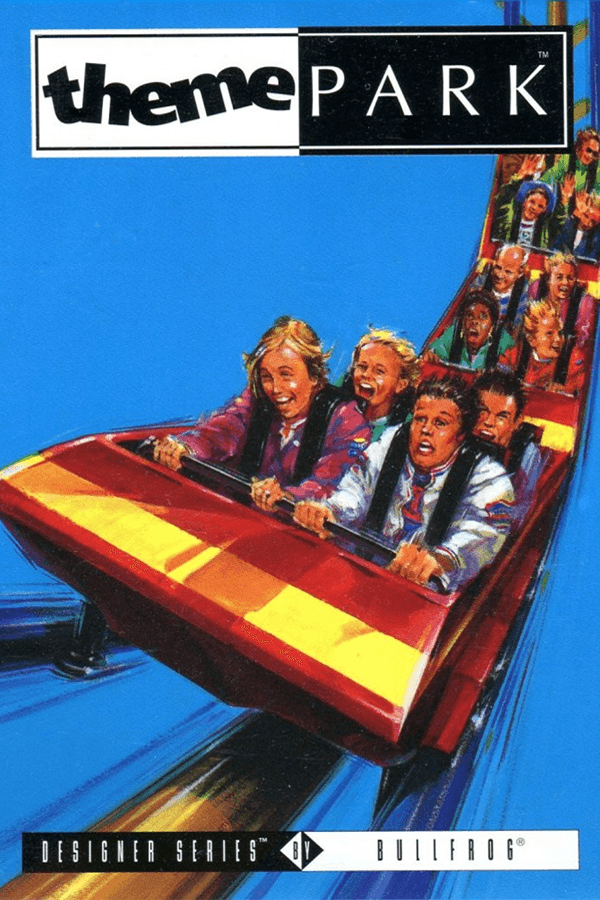 All the time3.5 out of 5
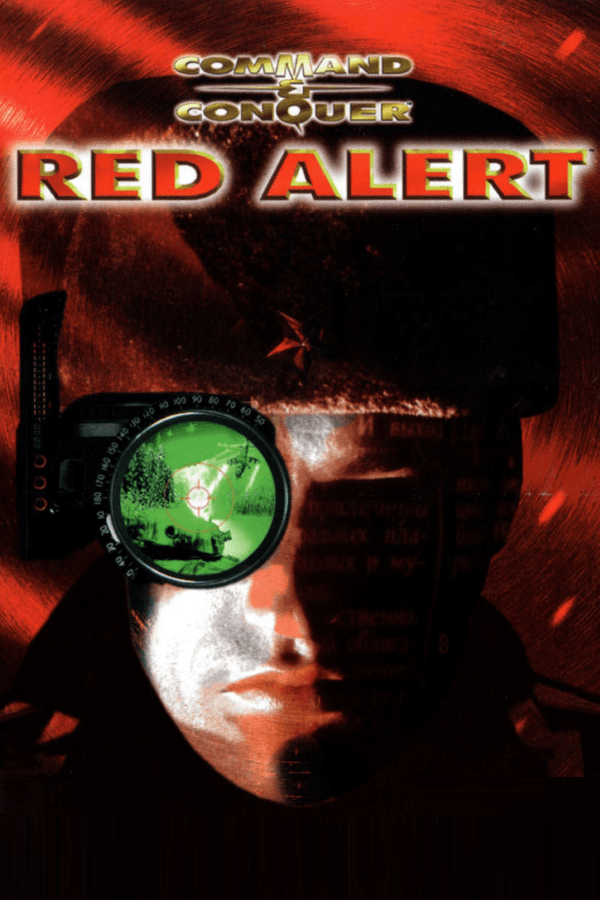 29. Command & Conquer: Red AlertVirgin Interactive Entertainment, Inc. · Strategy / tactics · 1996Played all the timeAll the time3.5 out of 5
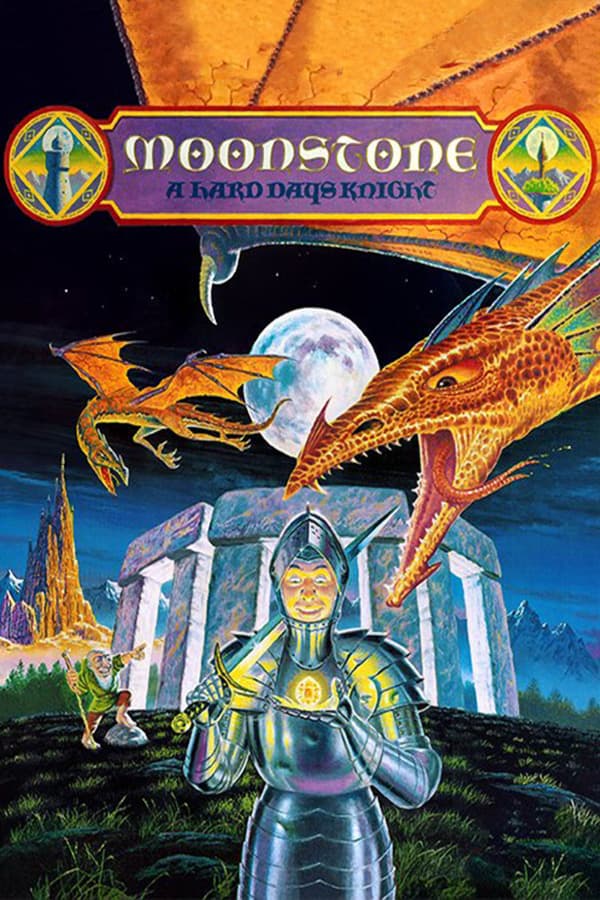 A lot3.5 out of 5
 All the time3.5 out of 5
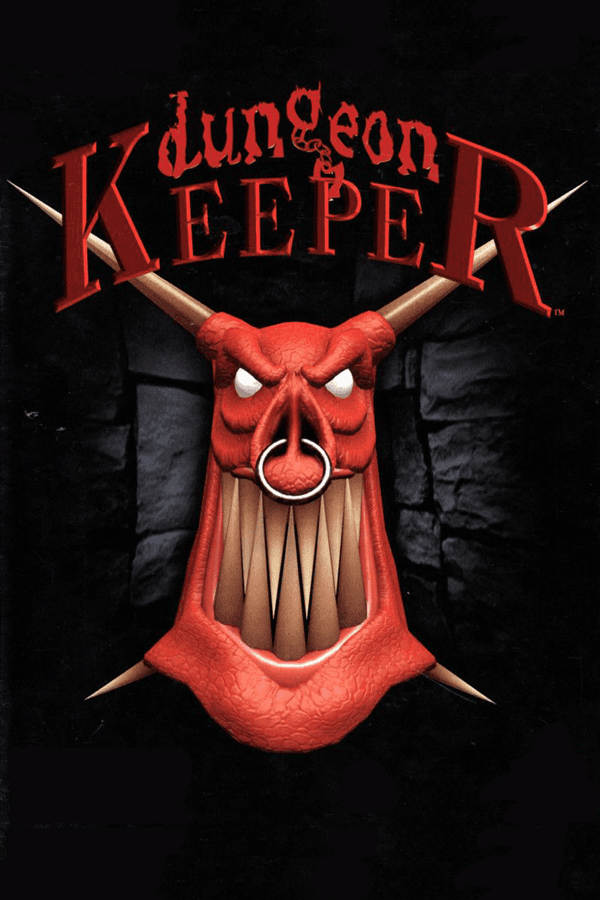 All the time3.4 out of 5
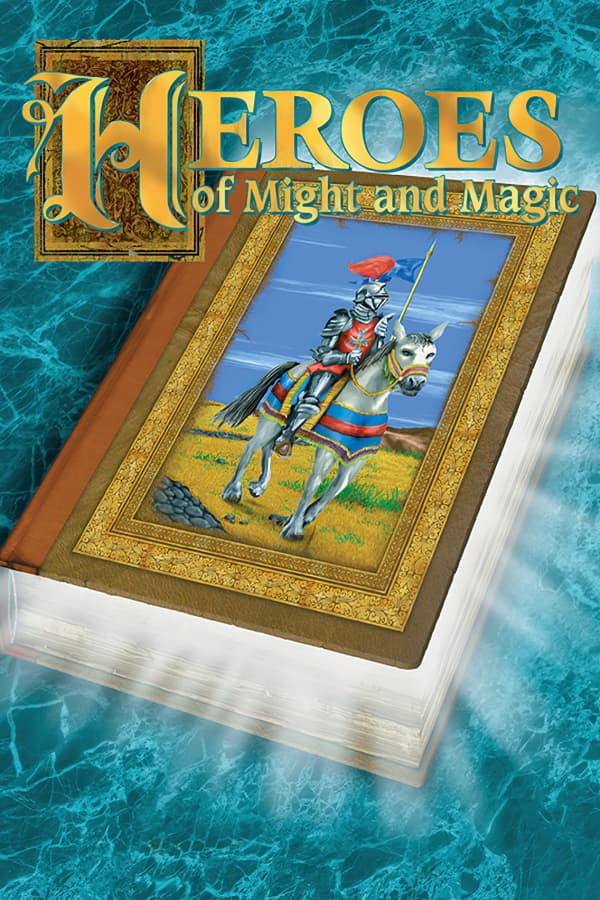 41. Heroes of Might and MagicNew World Computing, Inc. · Strategy / tactics · 1995Played all the timeAll the time3.4 out of 5
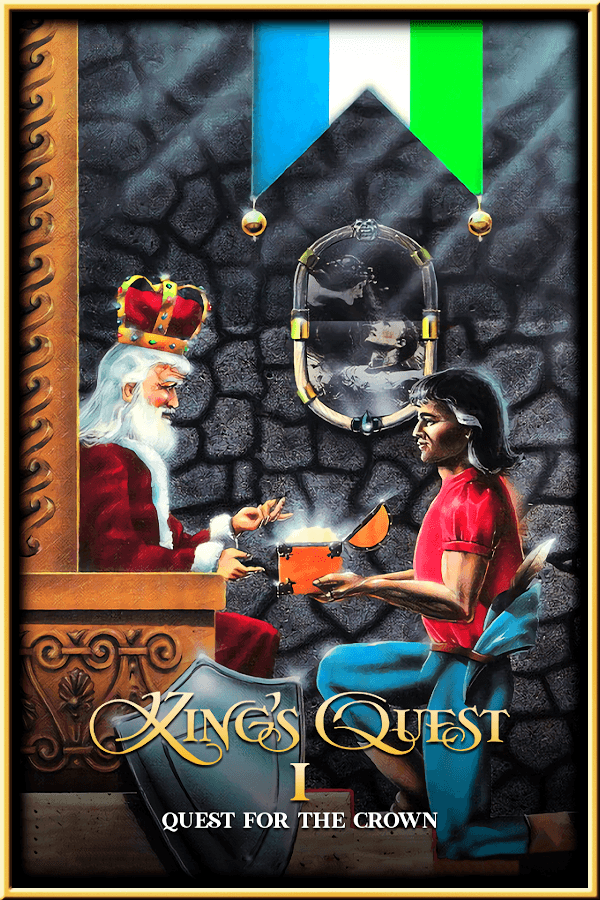 42. King's Quest I: Quest for the Crown (1987)Sierra On-Line, Inc. · Adventure · 1987Played all the timeAll the time3.4 out of 5
 All the time3.4 out of 5
 47. Lands of Lore: The Throne of ChaosVirgin Interactive Entertainment, Inc. · Role-playing (RPG) · 1993Played a lotA lot3.4 out of 5
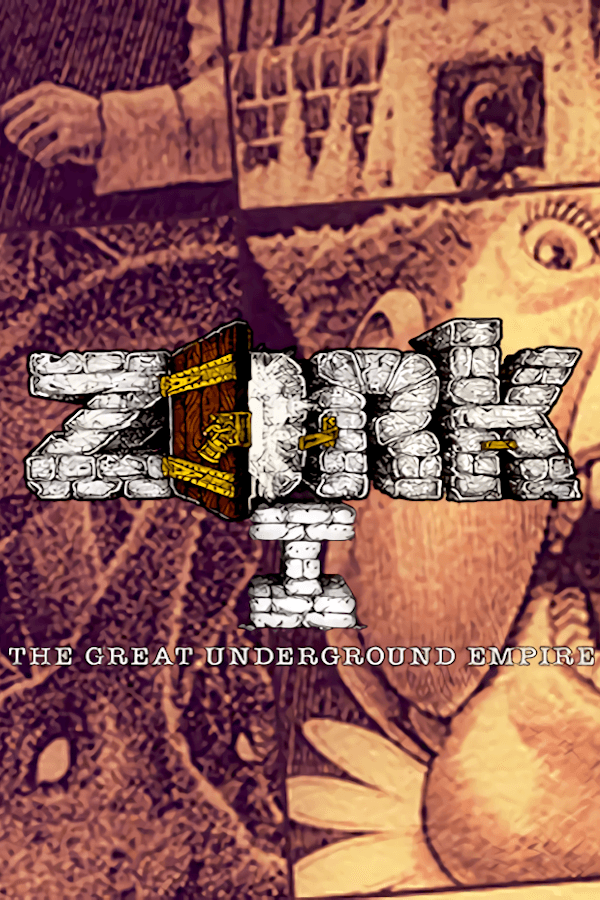 A lot3.4 out of 5
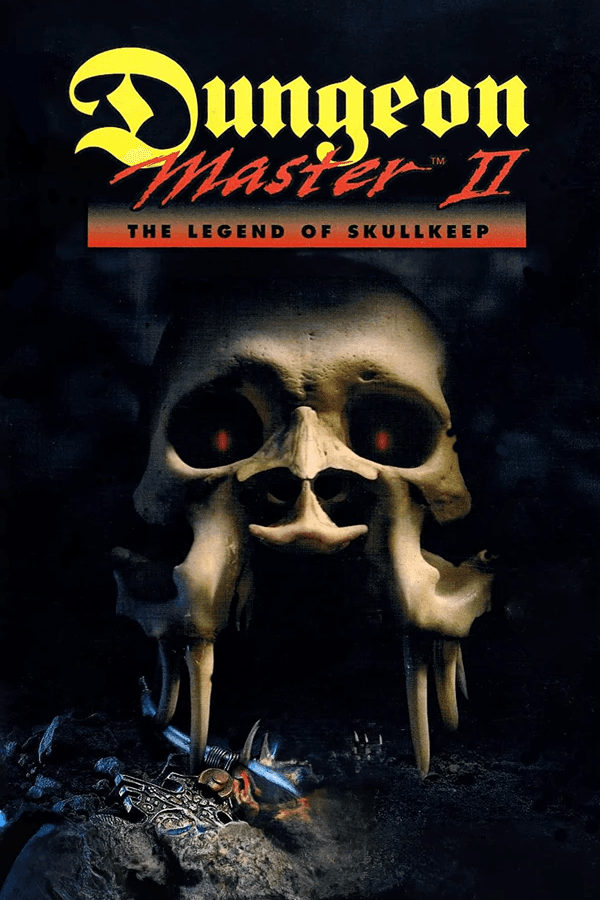 49. Dungeon Master II: The Legend of SkullkeepInterplay Productions, Inc. · Role-playing (RPG) · 1995Played a lotA lot3.4 out of 5
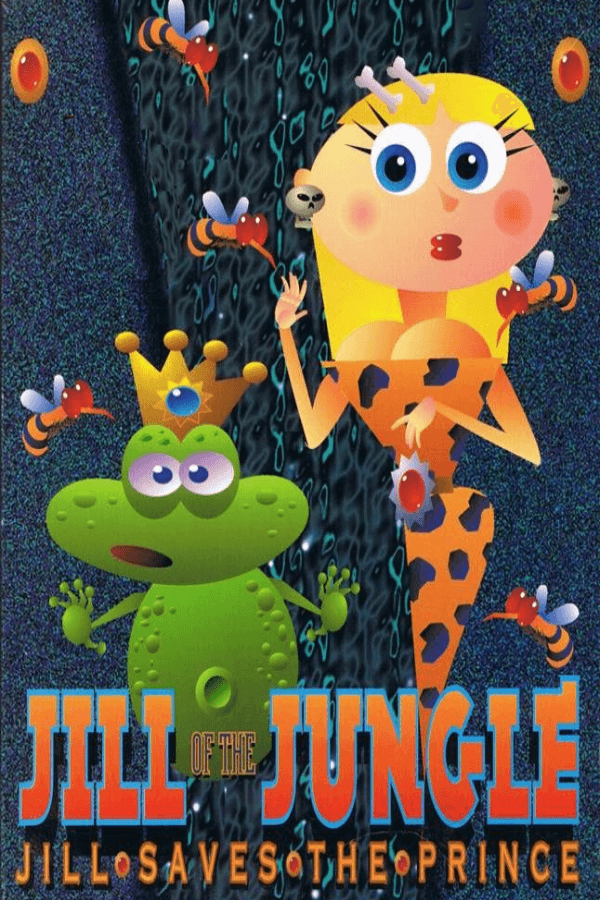 Often3.4 out of 5
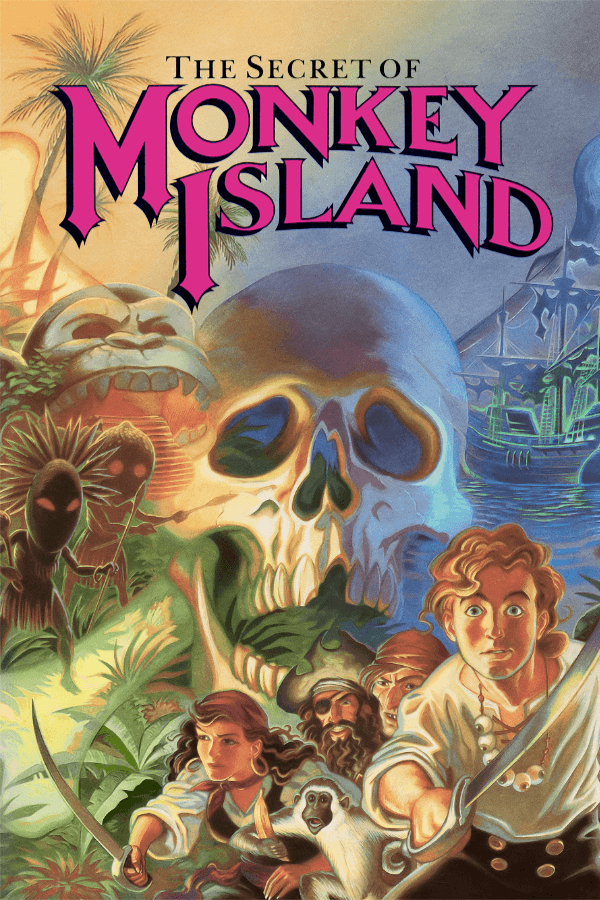 51. The Secret of Monkey IslandLucasArts Entertainment Company, LLC · Adventure · 1990Played all the timeAll the time3.4 out of 5
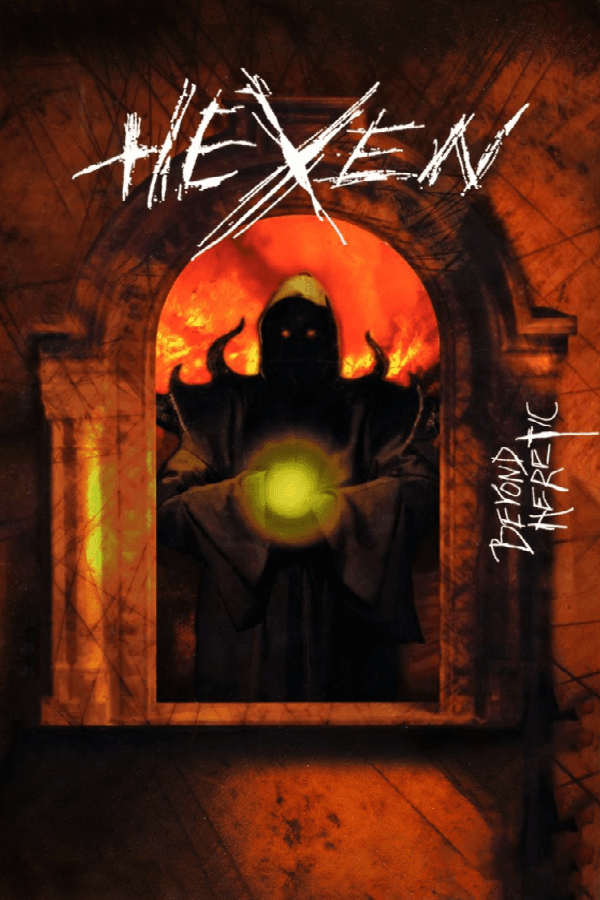 All the time3.4 out of 5
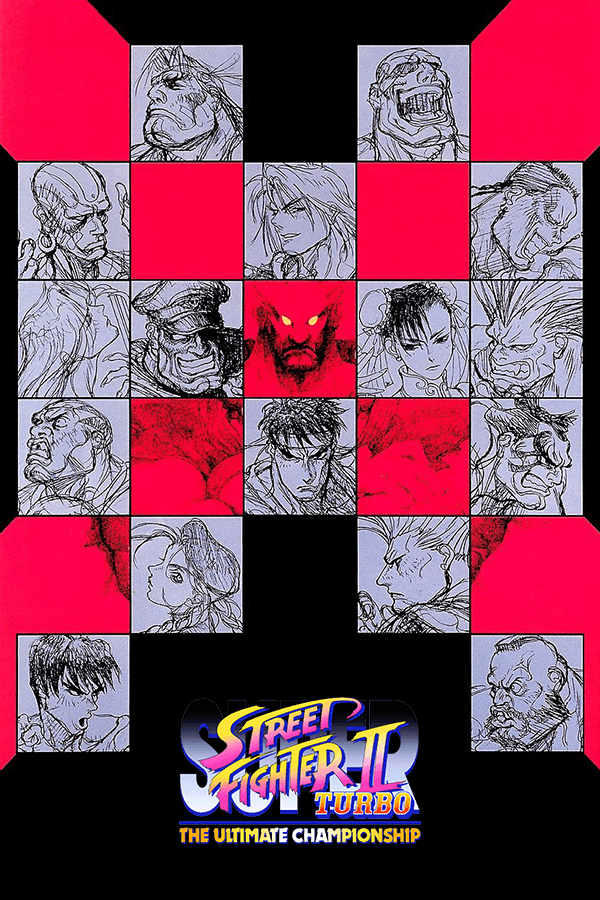 All the time3.4 out of 5
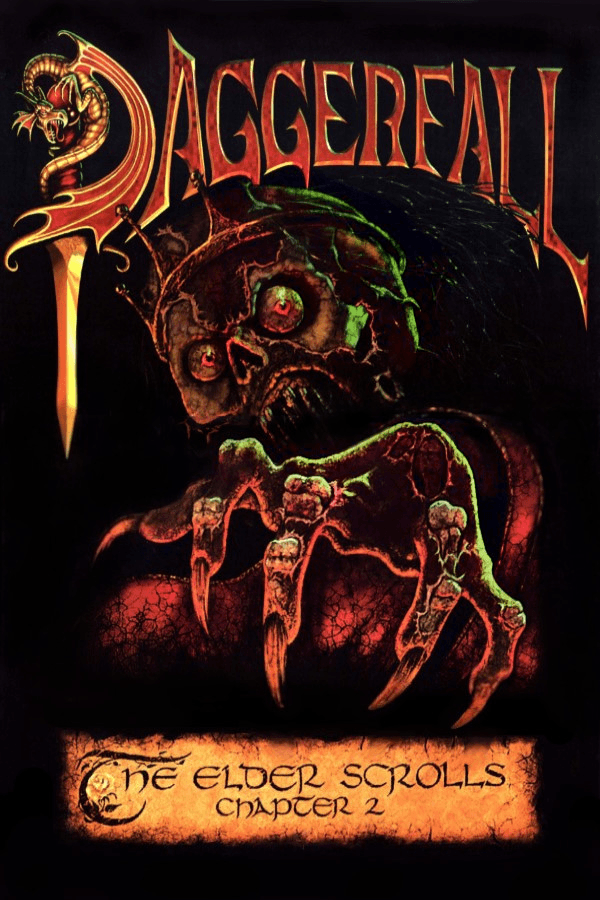 54. The Elder Scrolls: DaggerfallBethesda Softworks LLC · Role-playing (RPG) · 1996Played all the timeAll the time3.4 out of 5
 All the time3.4 out of 5
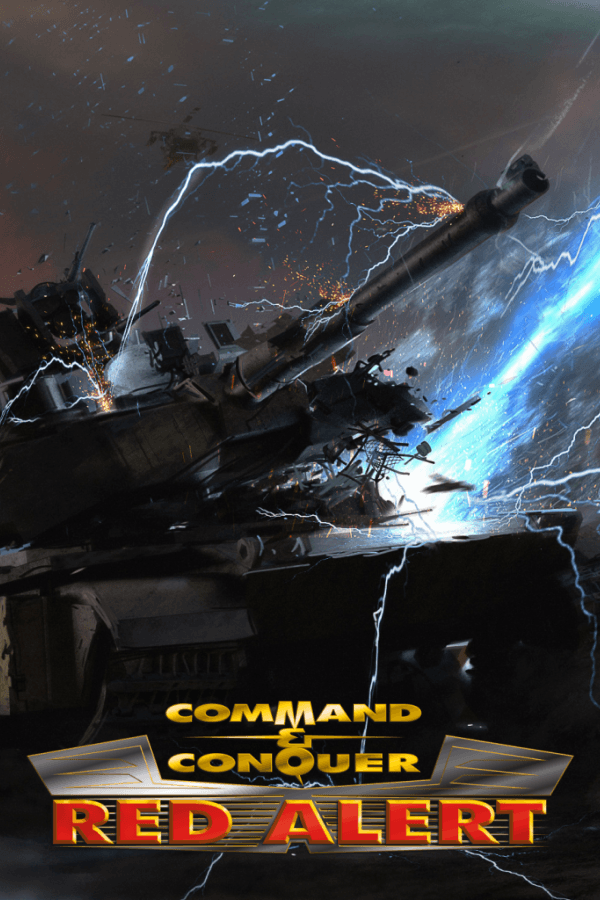 56. Command & Conquer: Red Alert - Red DawnSorry Software · Strategy / tactics · 1997Played all the timeAll the time3.4 out of 5
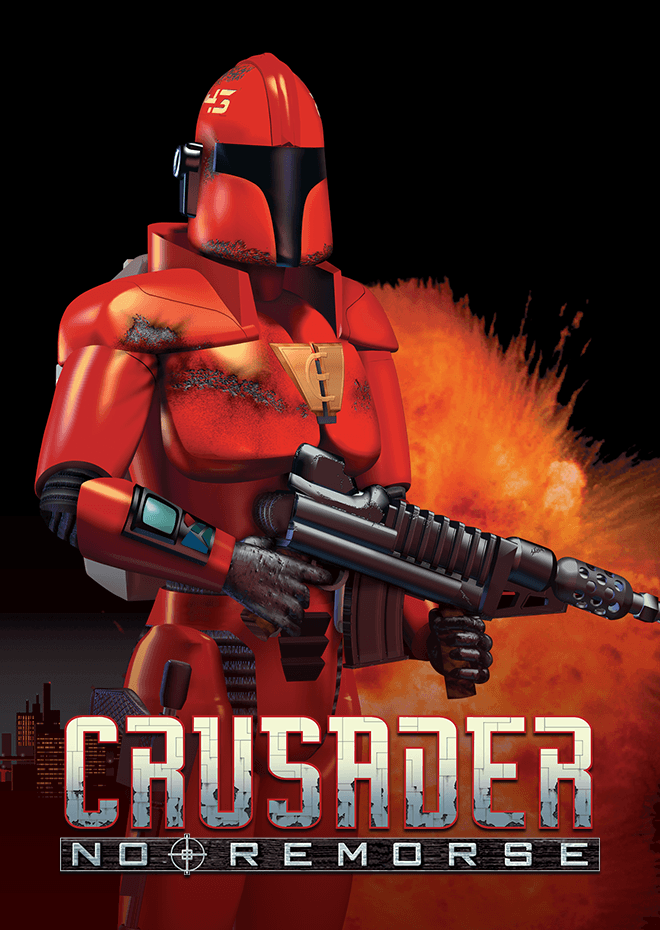 All the time3.4 out of 5
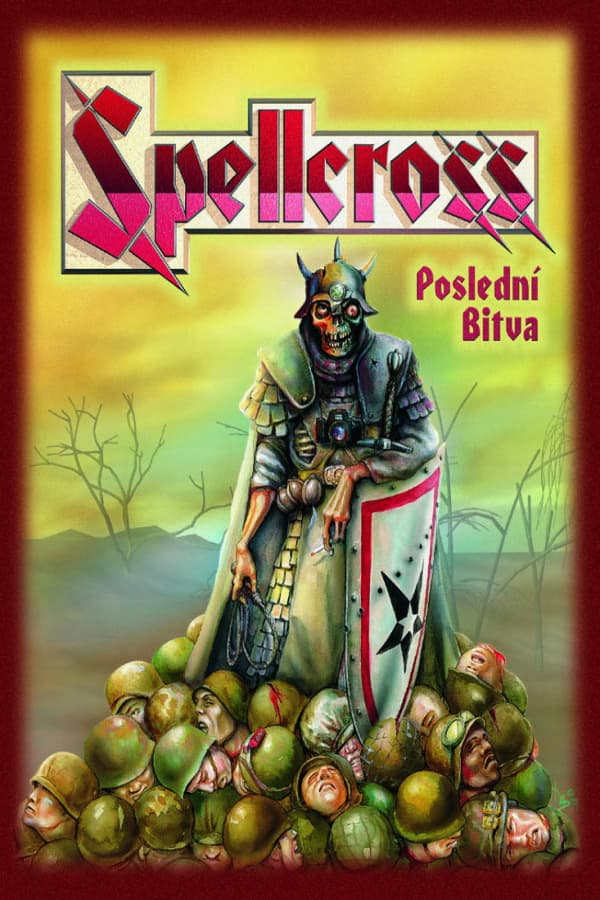 All the time3.3 out of 5
 All the time3.3 out of 5
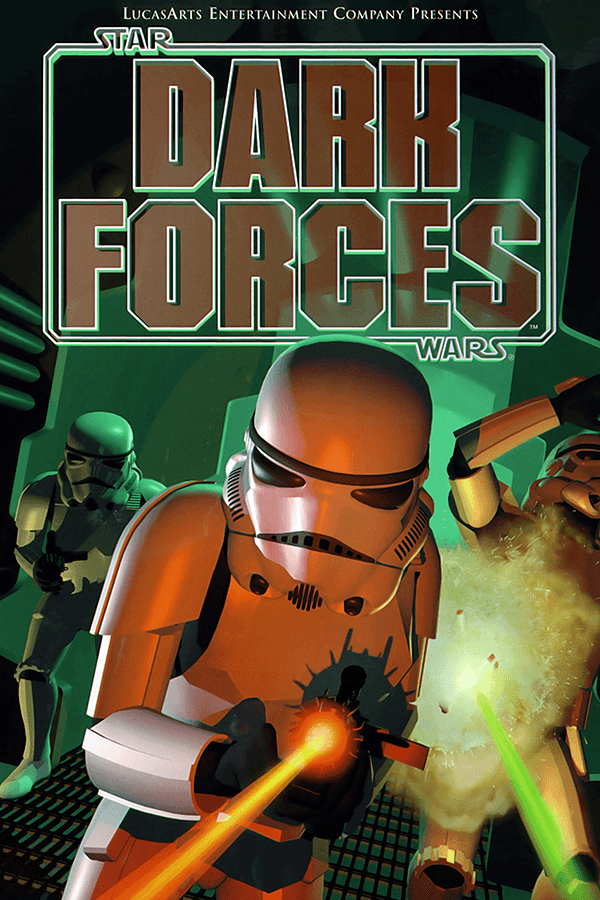 All the time3.3 out of 5
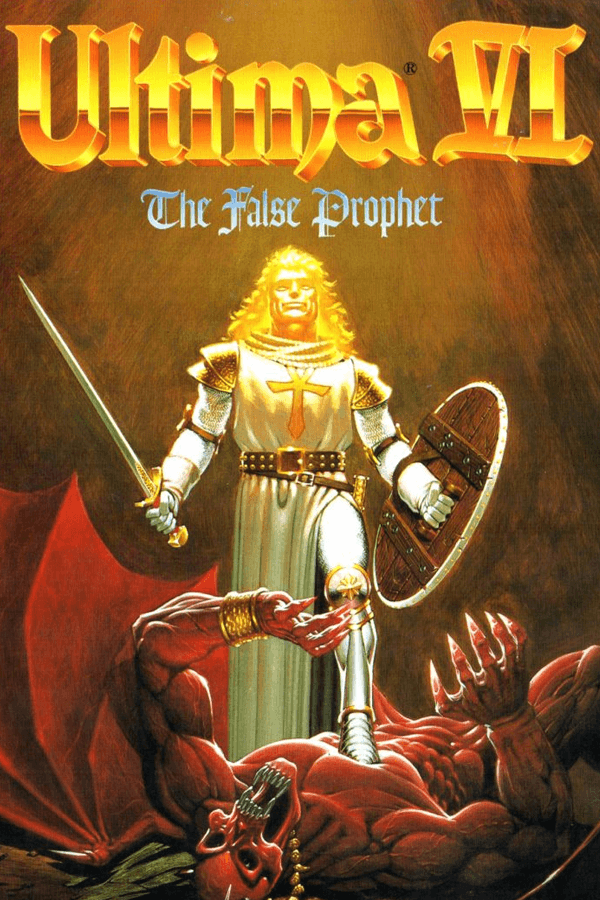 All the time3.3 out of 5
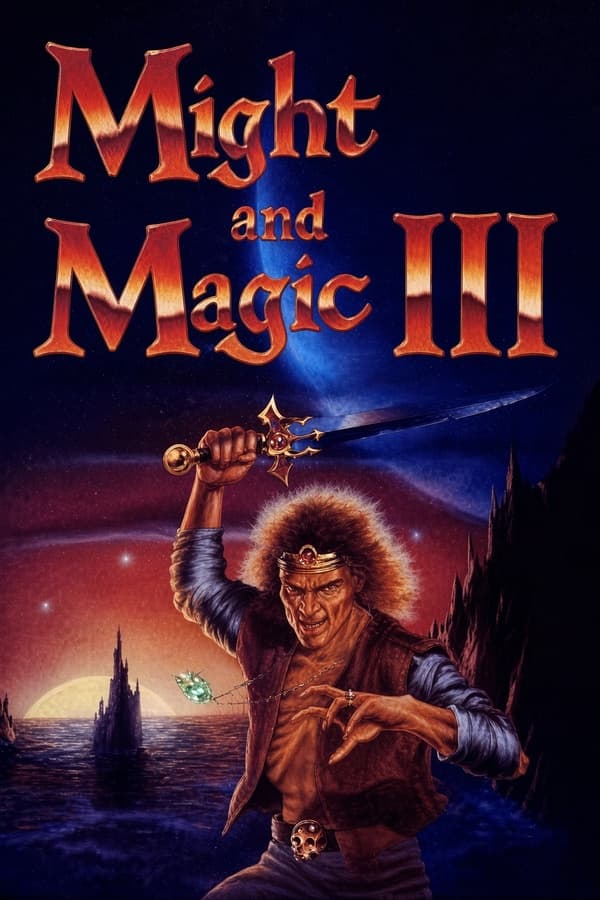 67. Might and Magic III: Isles of TerraNew World Computing, Inc. · Role-playing (RPG) · 1991Played a lotA lot3.3 out of 5
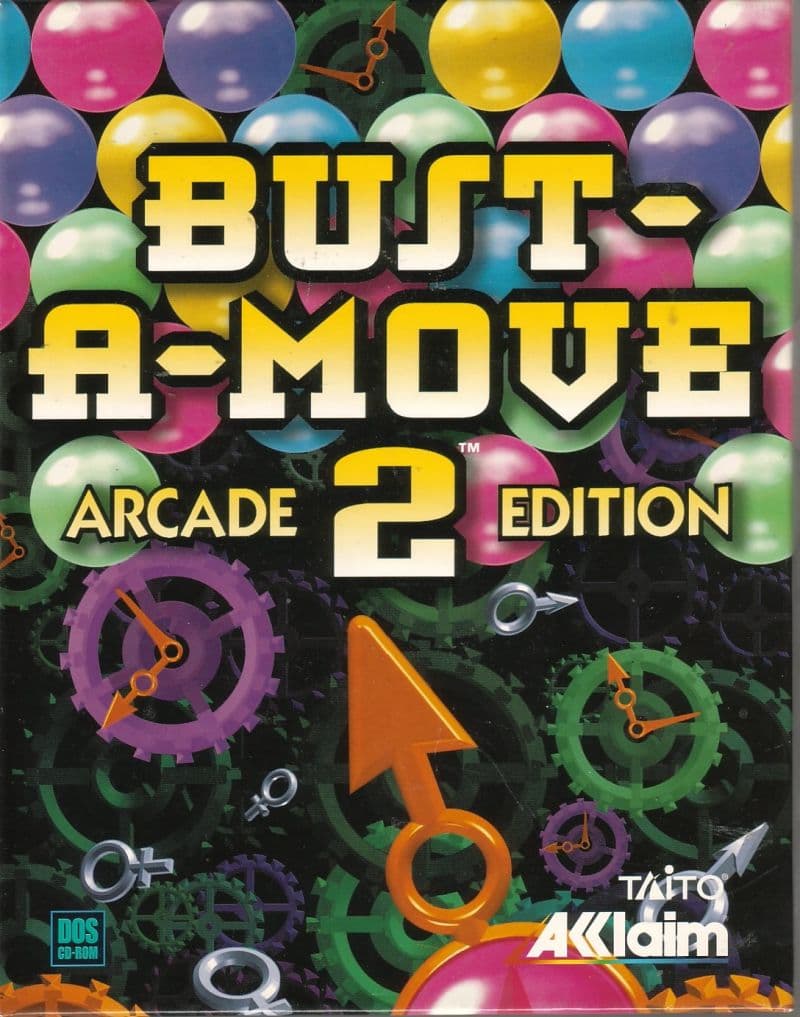 All the time3.3 out of 5
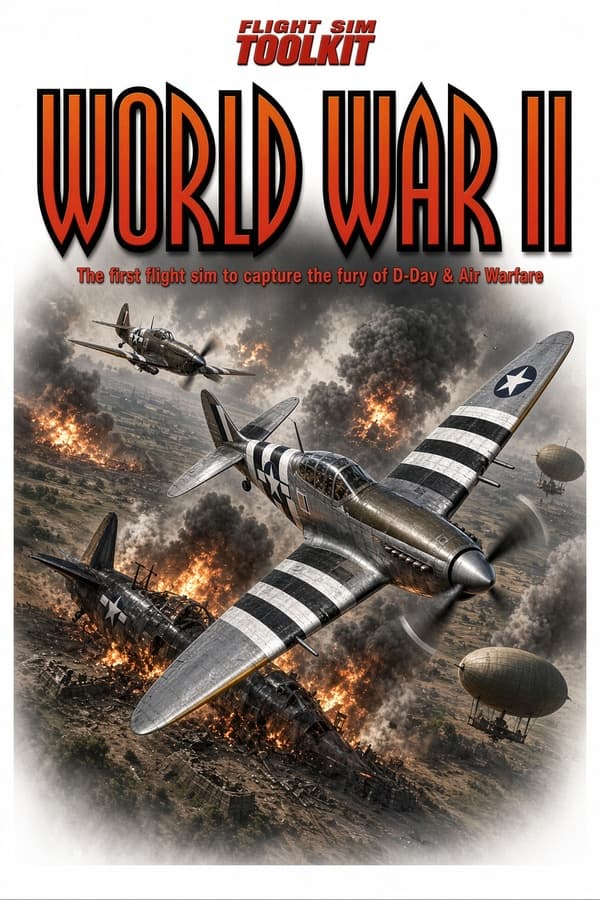 All the time3.3 out of 5
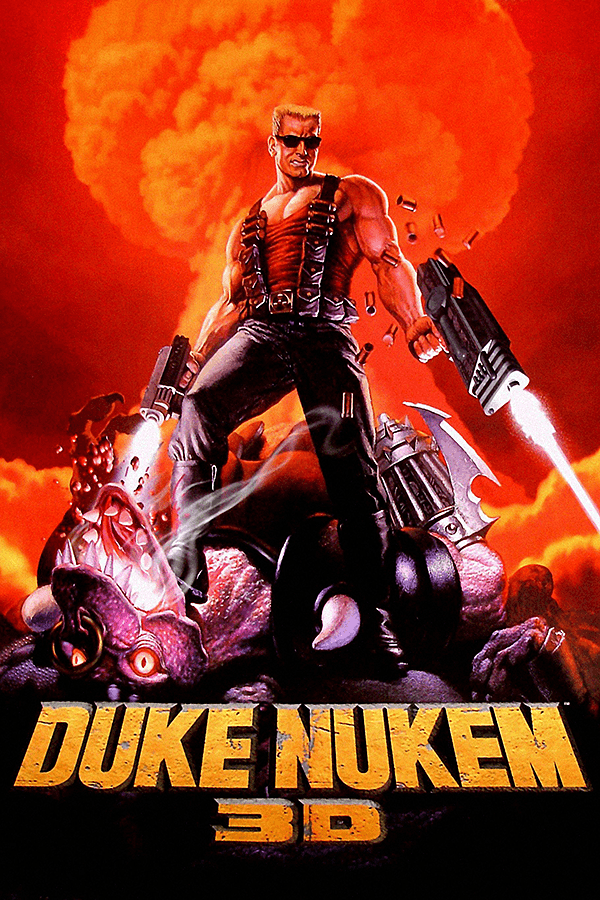 All the time3.3 out of 5
 All the time3.3 out of 5
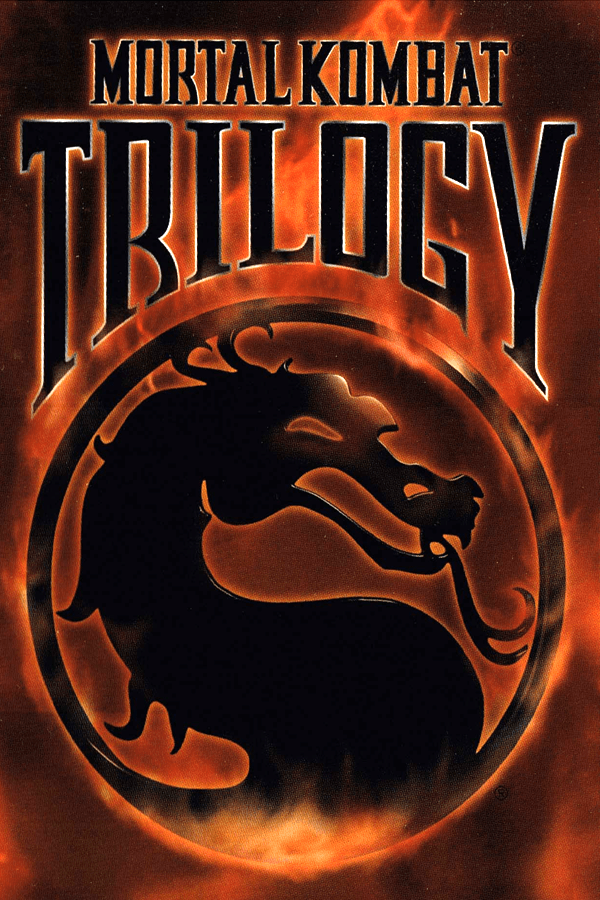 All the time3.3 out of 5
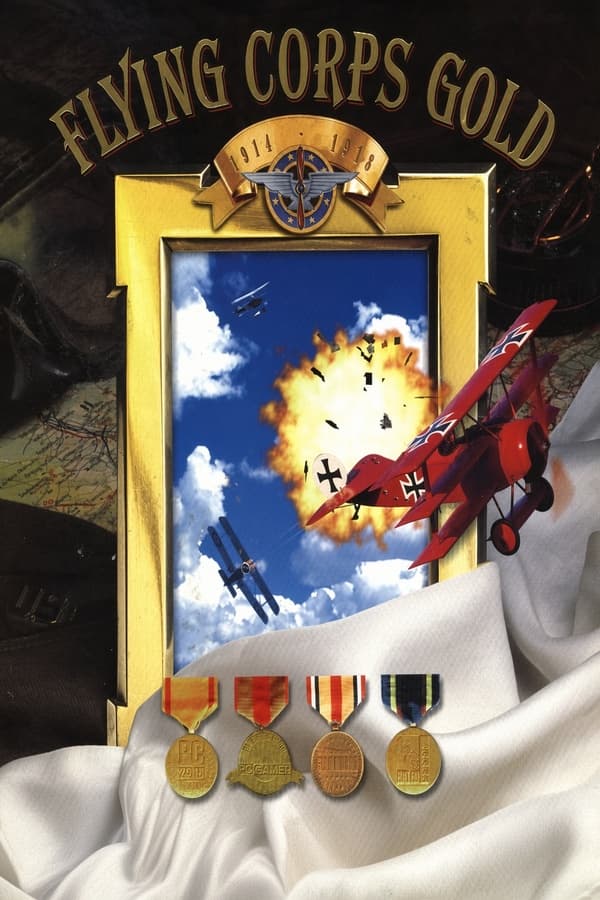 All the time3.3 out of 5
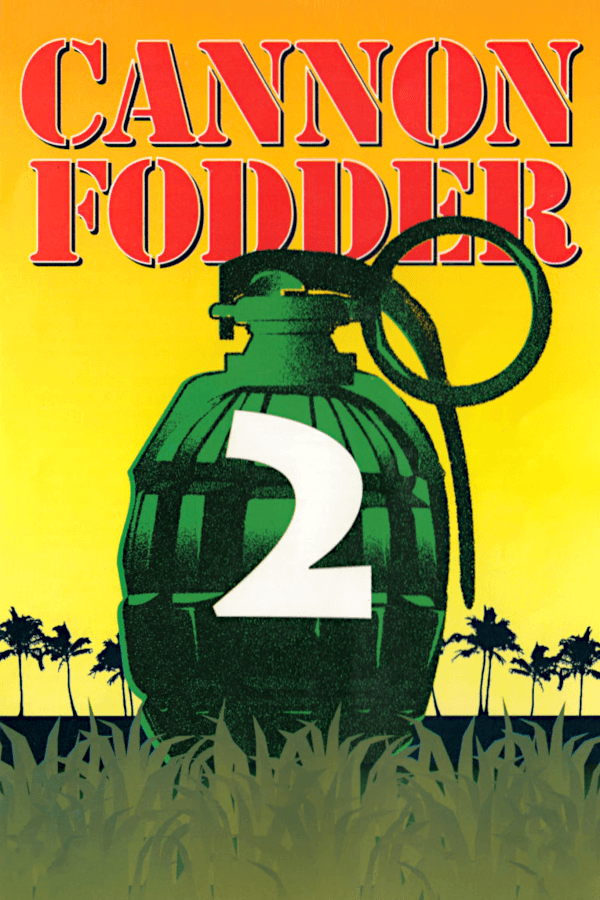 All the time3.3 out of 5
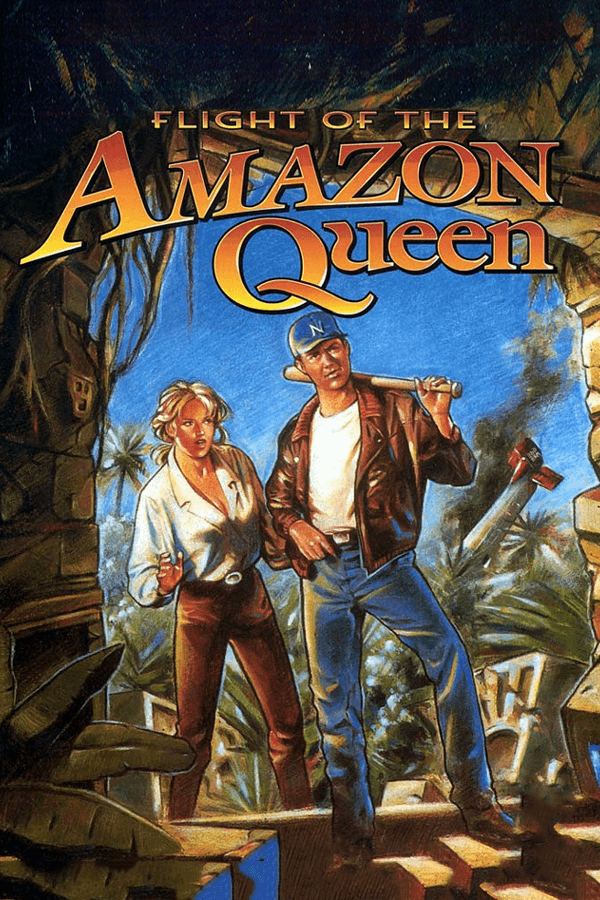 All the time3.3 out of 5
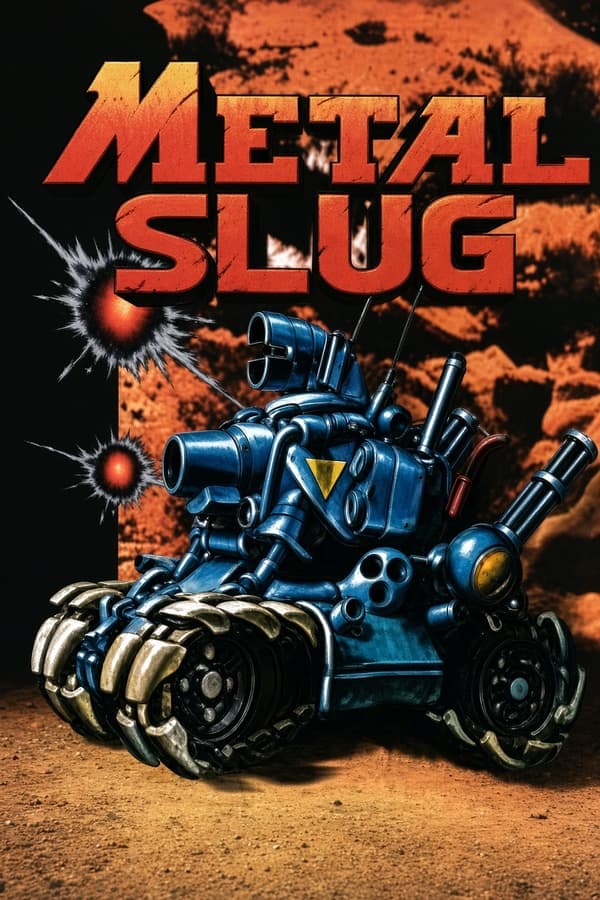 All the time3.3 out of 5
 All the time3.3 out of 5
 84. Strip Poker Professional rev. BArtworx Software Company, Inc. · Strategy / tactics · 1995Played all the timeAll the time3.3 out of 5
 85. Strip Poker Professional Volume IIArtworx Software Company, Inc. · Strategy / tactics · 1995Played all the timeAll the time3.3 out of 5
 A lot3.3 out of 5
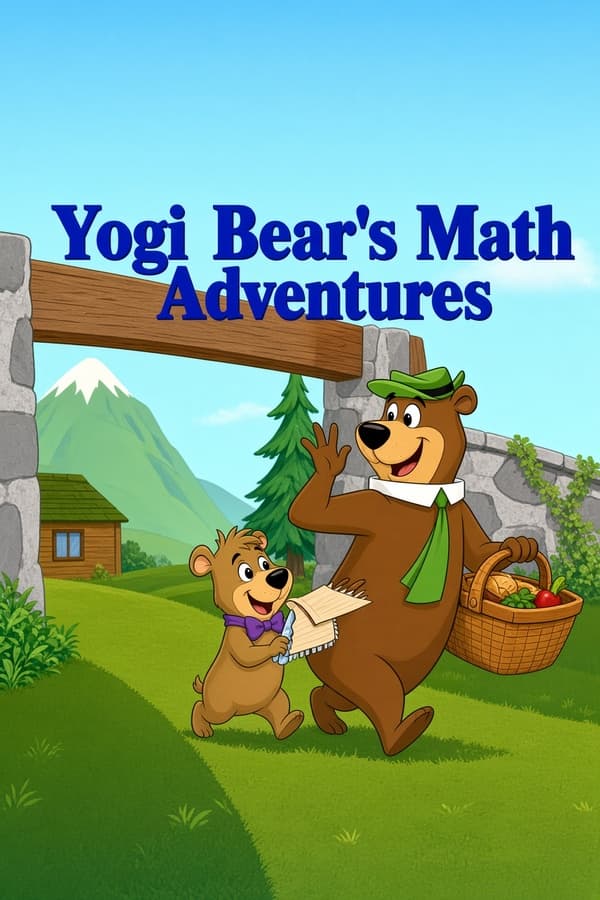 A lot3.3 out of 5
 All the time3.3 out of 5
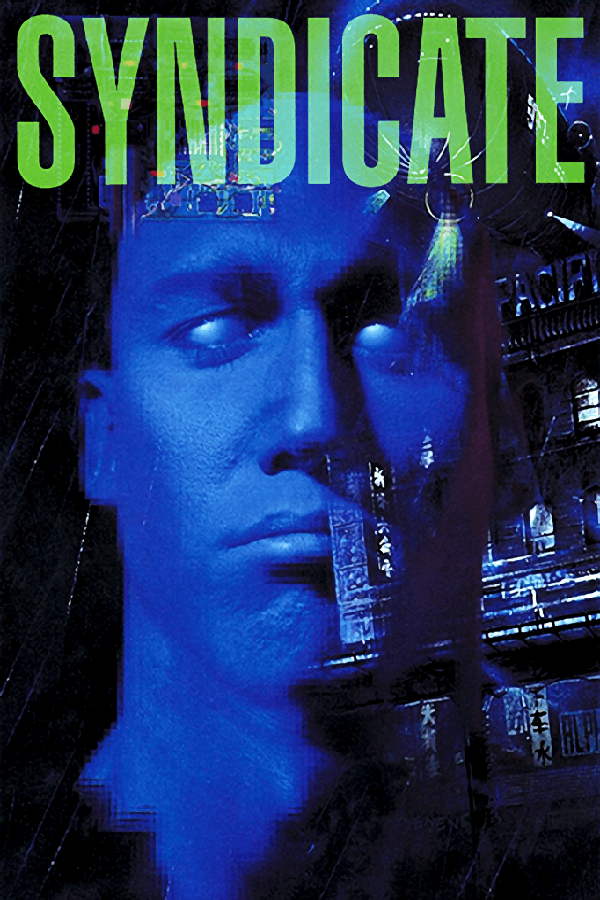 All the time3.3 out of 5
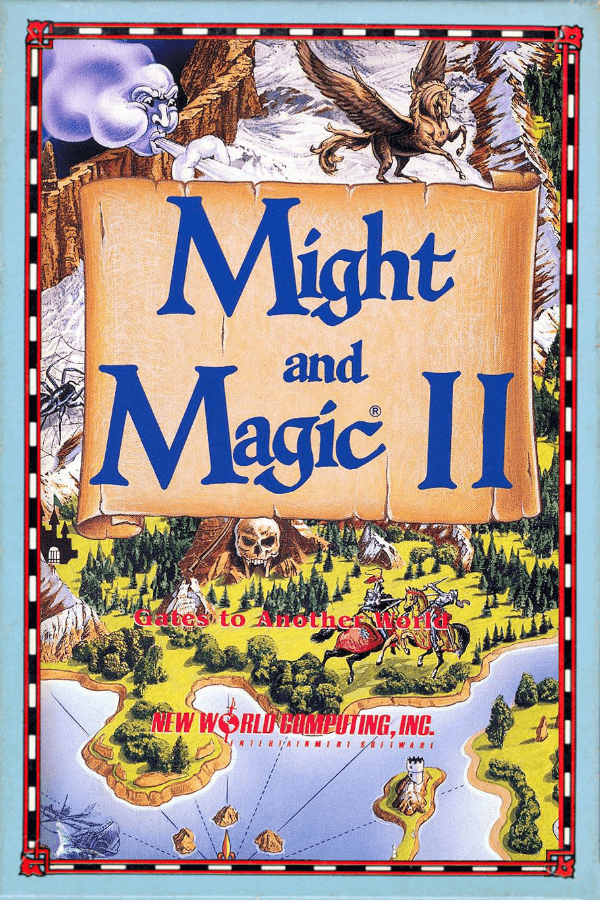 93. Might and Magic II: Gates to Another WorldNew World Computing, Inc. · Role-playing (RPG) · 1988Played all the timeAll the time3.3 out of 5
 94. Steel Panthers III: Brigade Command - 1939-1999Strategic Simulations, Inc. · Strategy / tactics · 1997Played all the timeAll the time3.3 out of 5
 All the time3.3 out of 5
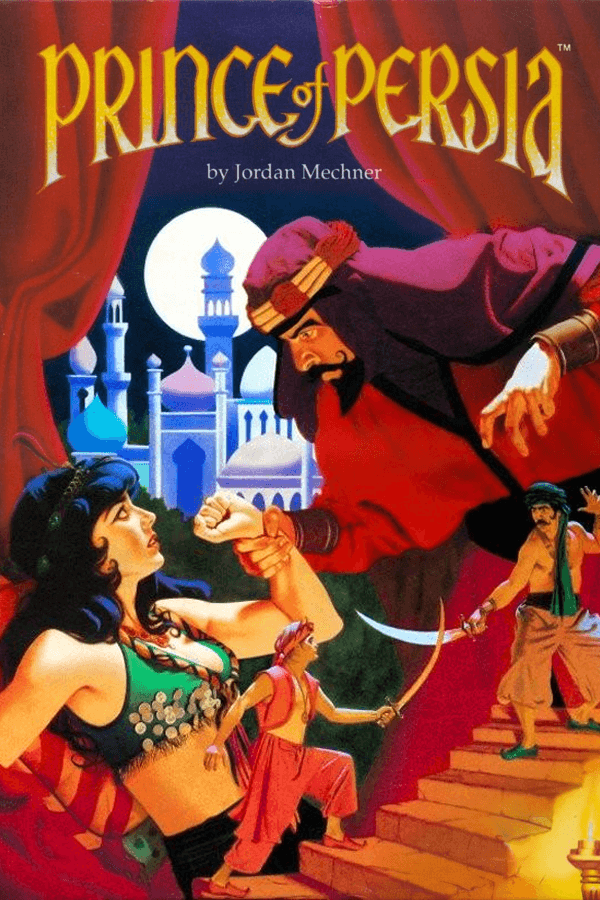 All the time3.3 out of 5
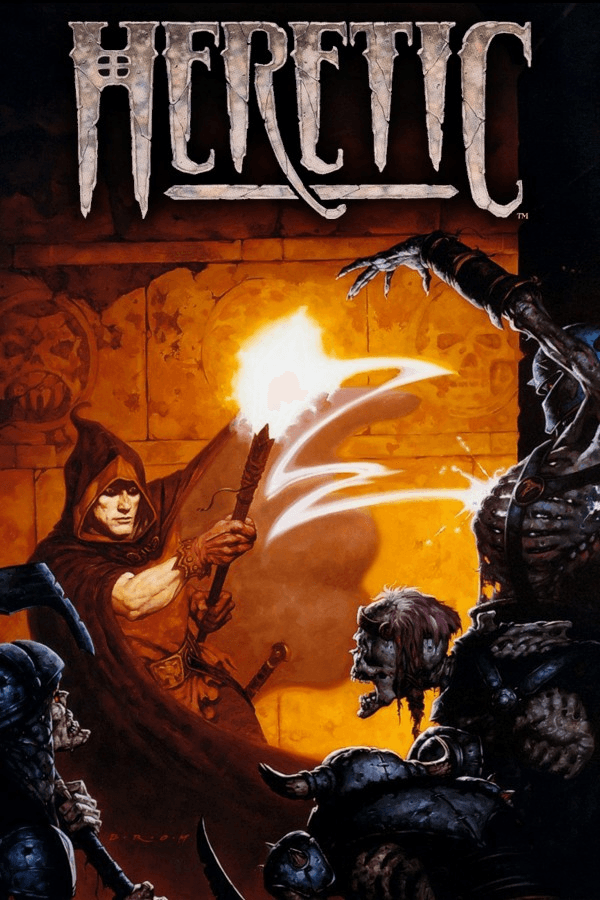
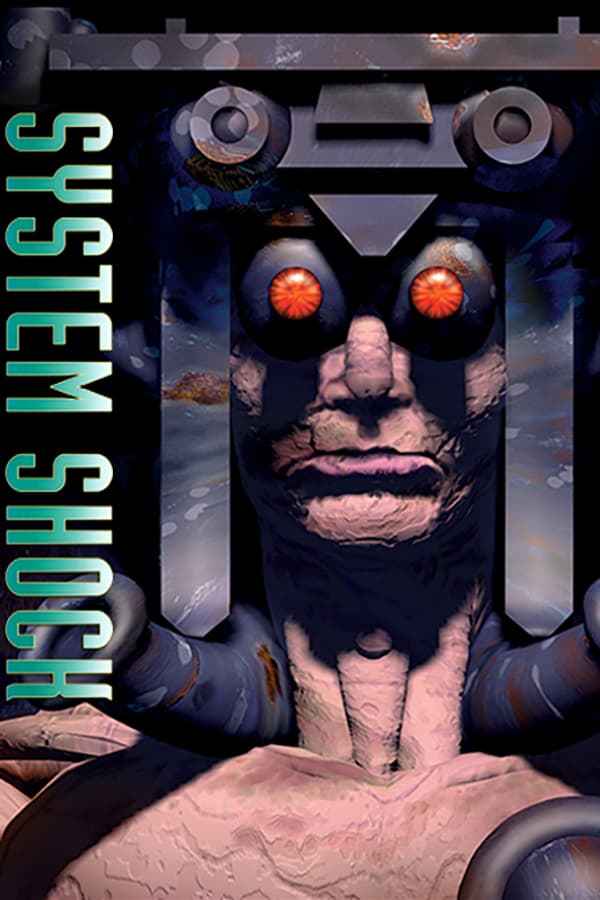

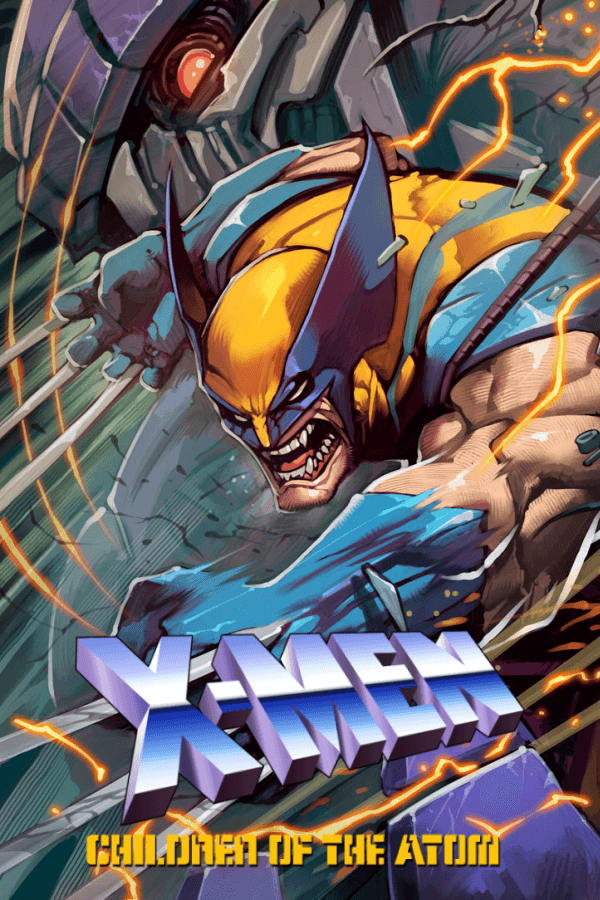
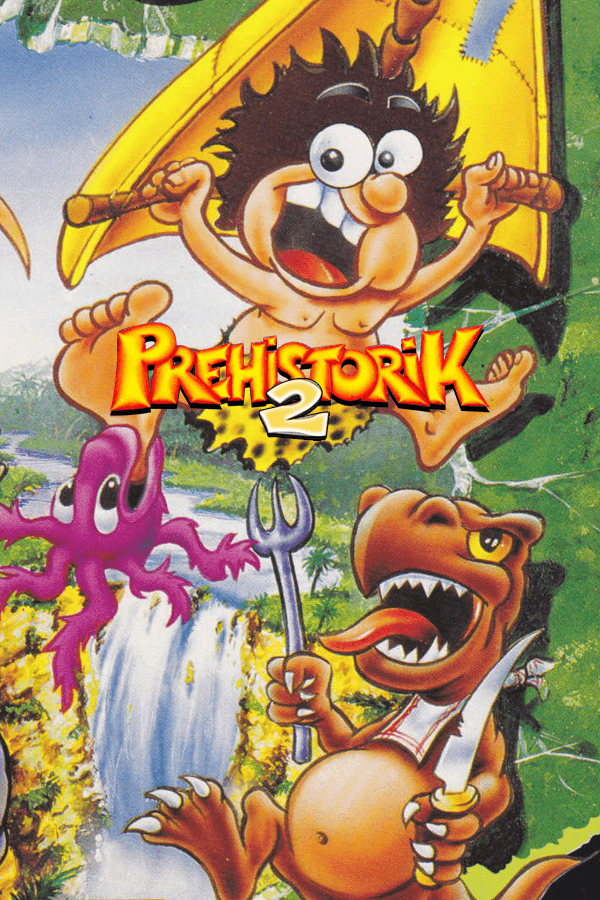
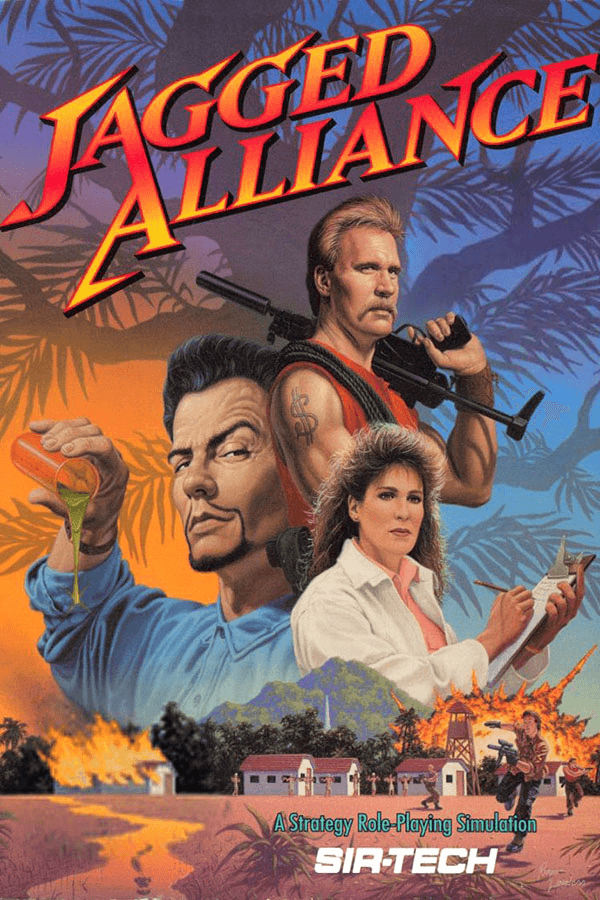

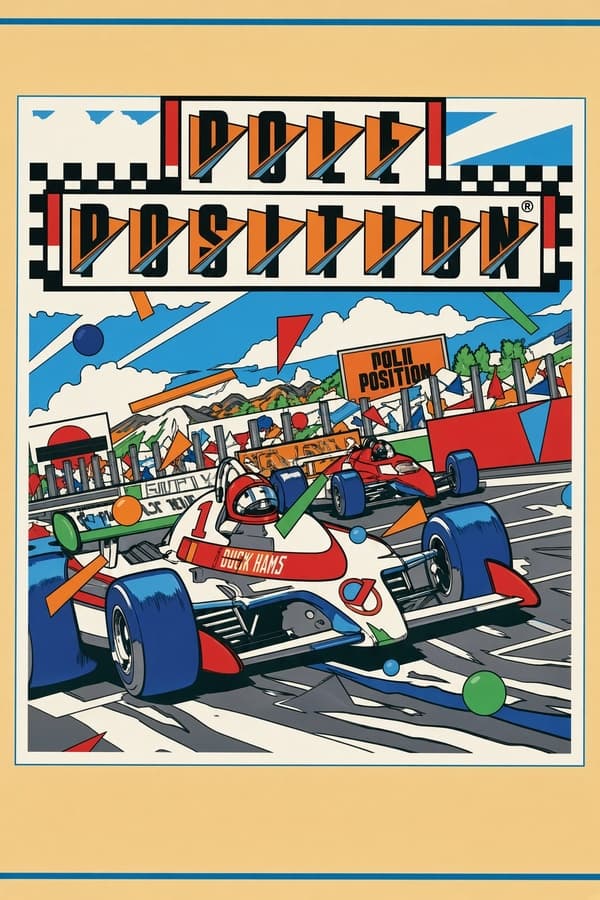
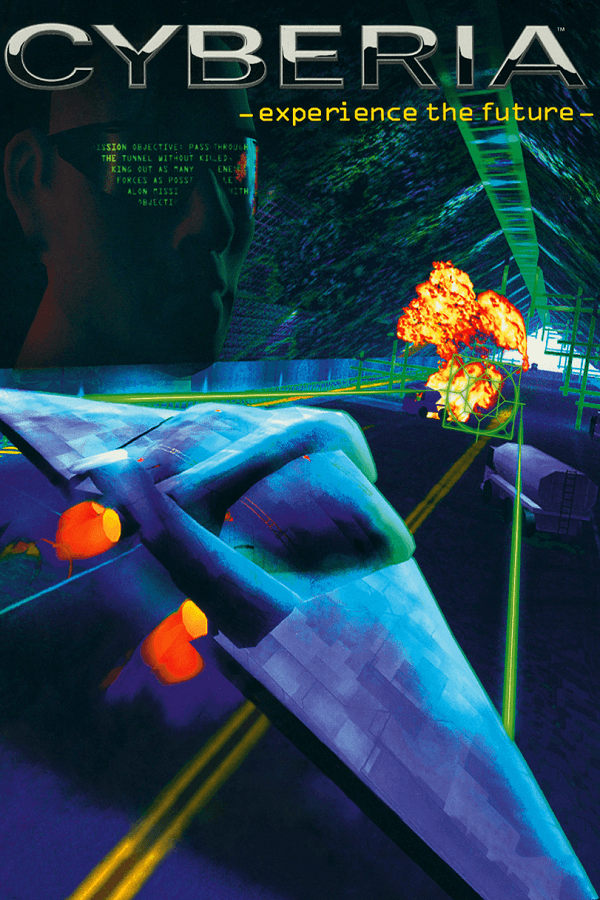
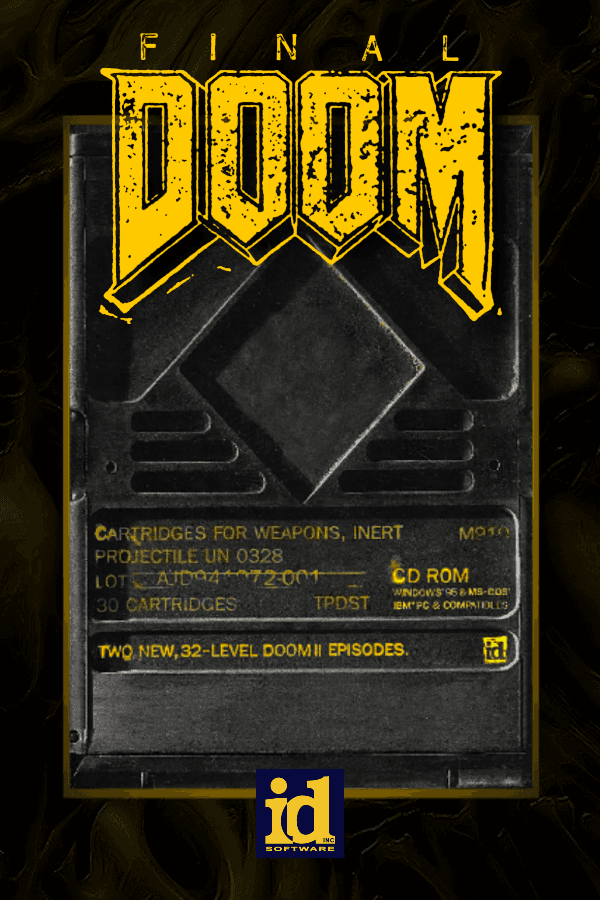
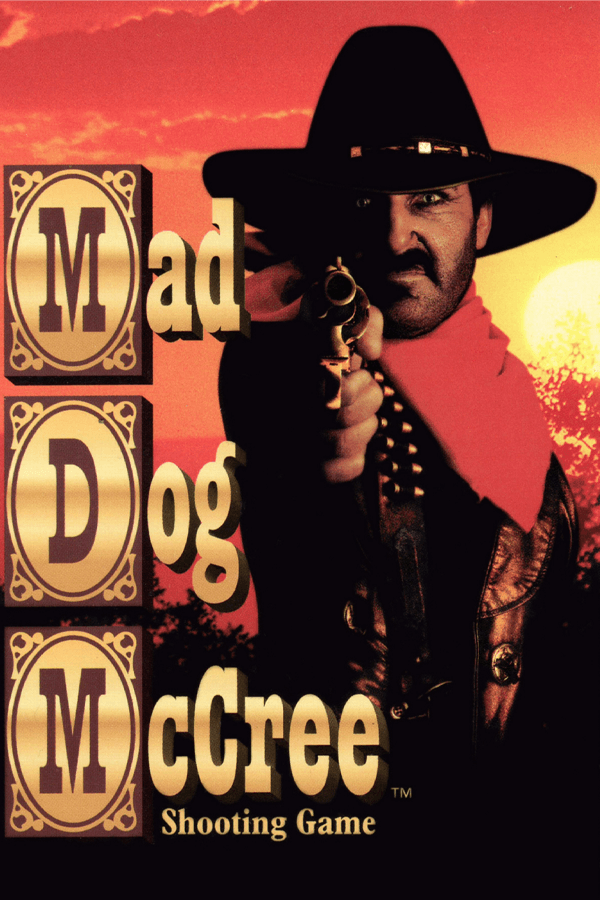

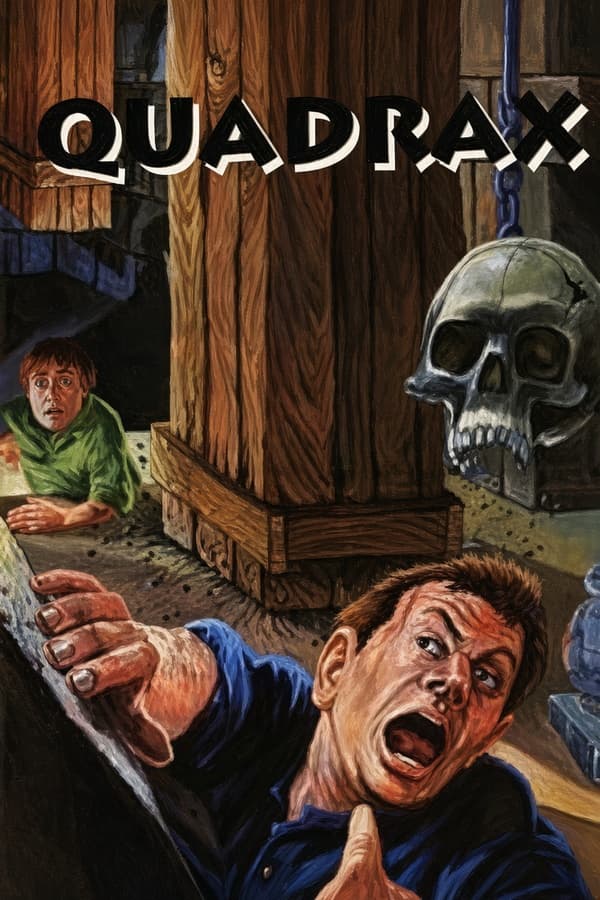
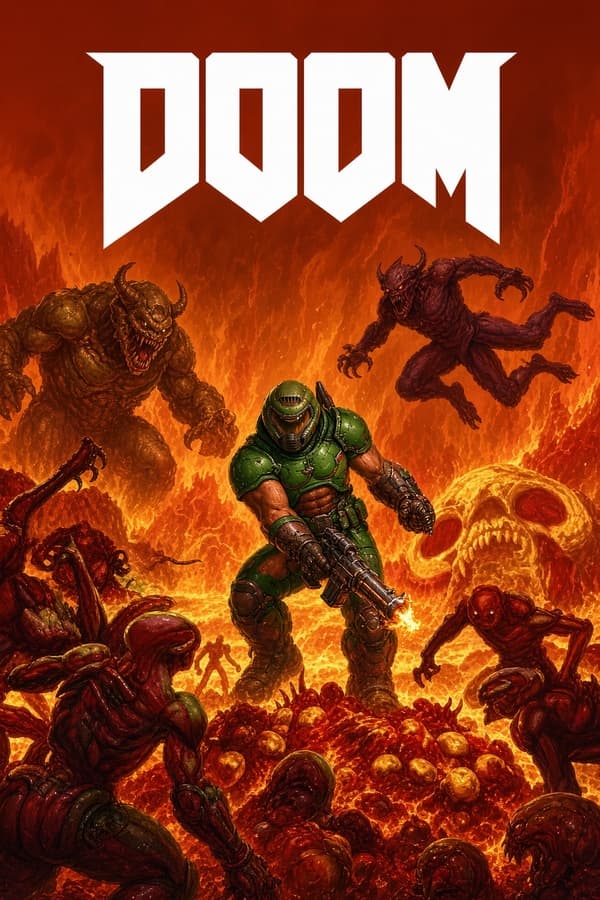
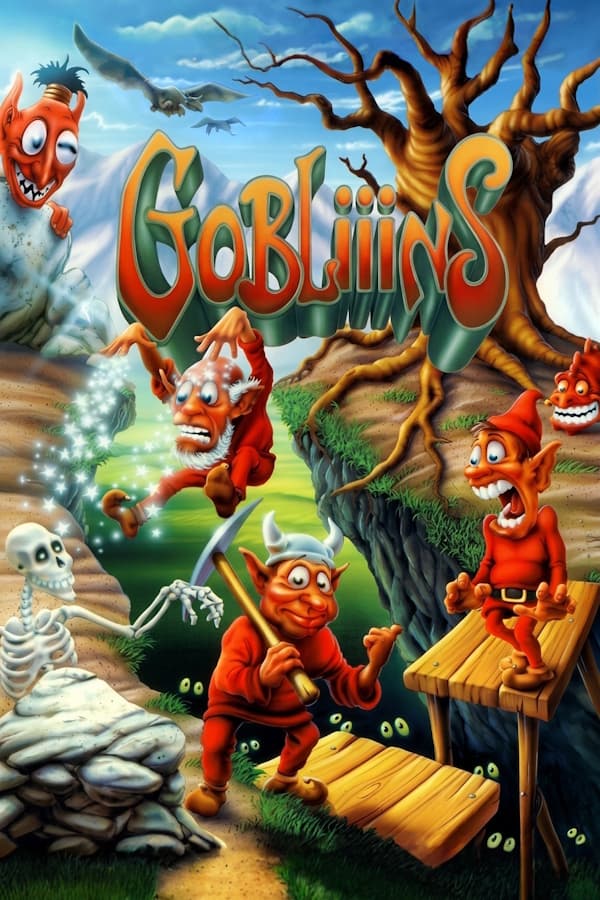
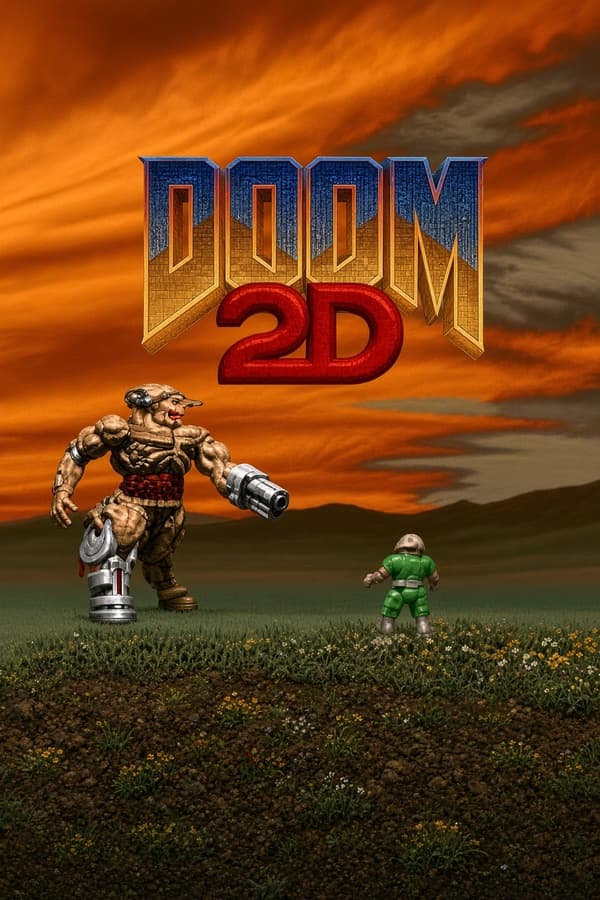


- Score
- One rating out of five, and what the list is sorted by: players' ratings first, the archive's own score while ratings are few, and a little extra for the games people keep coming back to.
- Played
- How often a game is played here next to the rest of the archive, from rarely to all the time. The same meter as on the game's own page.
Top lists
The best by genre, year and studio
The same ranking, one category at a time: a top 10 for every genre, decade, year, studio and series with enough games to rank.
Method
How the score is calculated
Three measured signals and one rule that holds them in place. Nothing on the list is chosen by an editor, and no publisher can buy a position on it.
Player ratings come first
Every rating a title gets, the one-click stars on its page or the stars of a written review, is worth one to five, and they are averaged. Someone who did both counts once. This is the only signal that can move a title a long way up or down the list, and it is the only one a person can add to directly.
A thin average doesn't beat a thick one
One five-star rating should not outrank a title with two hundred ratings averaging 4.6, so a young average is pulled toward the archive's own catalogue score until enough players have rated it. By about twenty ratings the players have effectively taken over.
Play activity only breaks ties
How many members have booted a title, and how long they stayed, is worth at most half a star. Between two games the community rates alike, the one people keep coming back to wins — but no amount of play time buys a place at the top.
Nobody puts a thumb on the scale
There is no editorial reordering, no featured slot and no paid placement. The list is recomputed from the database as ratings and sessions come in, so rating one game you know will change what everyone else sees.
- 7,379Titles catalogued
Everything the community has documented so far, with publisher, developer, year and genre.
- 816Playable in the browser
Boot straight from the catalog page. Nothing to install and nothing to configure.
- None yetMember reviews
Written by members who played the game first. Reviews are what move the ranking.
By genre
Where the modern genres were invented
Almost every genre still selling today was sketched somewhere between a PC speaker beep in 1981 and the last DOS releases of 1999. Pick a lane and browse the full catalog.
- Adventure & point-and-click1,089
Patient, literate and occasionally cruel, with puzzle design that assumed you had all week.
Browse - Action & shooters2,385
Side-scrollers, run-and-guns, and the first-person shooters that took over the decade.
Browse - Simulation421
Flight, space, cities and whole lives. Nobody could agree whether these counted as games.
Browse - Puzzle & arcade682
Five-minute systems with twenty-year half-lives. Among the smallest games here, often the highest rated.
Browse
Timeline
A short history of DOS gaming
Eighteen years from four-colour text adventures to the last masterpieces before Windows took the desktop — and the preservation work that followed.
- 1981–84
PC speaker
Text adventures, CGA dungeons and a four-colour palette. Everything worked out from scratch.
- 1985–88
EGA bloom
Sixteen colours, AdLib synth, the first cinematic adventures and serious wargames.
- 1989–91
VGA spring
256 colours, Sound Blaster, scrolling worlds. The point-and-click adventure peaks.
- 1992–94
First person
Doom arrives, mod scenes form around it, and everyone starts hauling PCs to each other's houses.
- 1995–96
CD-ROM excess
Full-motion video, orchestral scores and multi-disc epics. Budgets got out of hand and it showed.
- 1996–97
3dfx revolution
Hardware acceleration arrives. Glide-only Quake ports and the first true 3D RPGs change the calculus.
- 1997–99
Twilight
3D cards take over, Windows wins the desktop, and DOS quietly produces its last masterpieces.
- 2000 onward
Preservation
DOSBox lands, abandonware sites organise, and the long work of keeping the era playable begins.
House rules
What this archive is for
The DOS years were the last time a great PC game could be made by two people in a bedroom, and the first time one of those games could end up on a million hard drives. Keeping that playable is the whole project.
Nostalgia doesn't get a discount
Plenty of DOS games were brilliant and plenty were dreadful. Both get rated, and both stay visible. A low score tells you as much as a high one when you are deciding what to revisit.
Keep the artefacts, not just the binaries
Manuals, scans, save states, soundtracks and configs go up next to the executable. A game you can run but can't read the manual for is only half preserved.
Open submissions, open queue
Anyone can submit a missing title, request a playable build, or correct a review. The queue is public, and demand decides which game gets built next.
FAQ
Common questions about old PC games
The shelf
Ready to play right now
A slice of the archive's playable shelf, the titles members open most often first. Every one of these boots in this browser tab, with no install and no configuration.
- Grand Theft AutoBMG Interactive Entertainment · 1997
- Command & ConquerVirgin Interactive Entertainment, Inc. · 1995
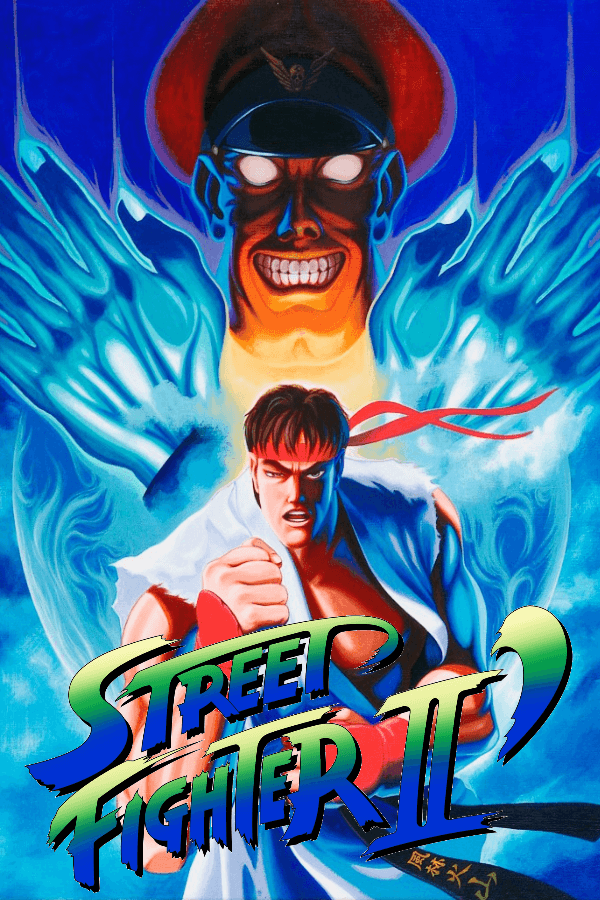 Street Fighter IIU.S. Gold Ltd. · 1992
- DOOM II: Hell on EarthGT Interactive Software Corp. · 1994
- Warcraft II: Tides of DarknessBlizzard Entertainment · 1995
- ZVirgin Interactive Entertainment, Inc. · 1996
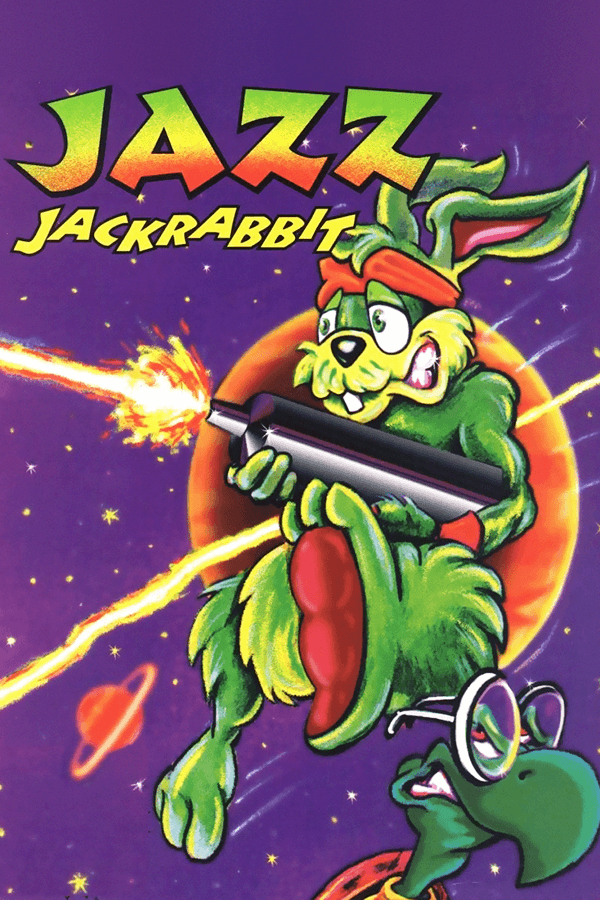 Jazz JackrabbitEpic MegaGames, Inc. · 1994
- Sid Meier's CivilizationMicroProse Software, Inc. · 1991
- Command & Conquer: Red AlertVirgin Interactive Entertainment, Inc. · 1996
- Theme HospitalElectronic Arts, Inc. · 1997
- FalloutInterplay Productions · 1997
- Duke Nukem 3DGT Interactive Software Corp. · 1996
- Heroes of Might and Magic II (Deluxe Edition)The 3DO Company · 1998
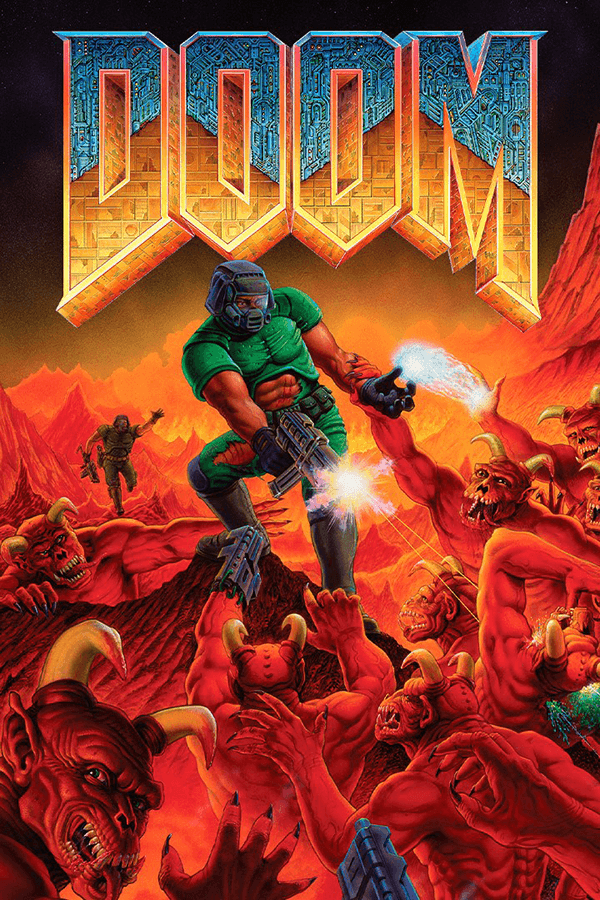 DOOMid Software, Inc. · 1993
- Mortal Kombat TrilogyGT Interactive Software Corp. · 1997
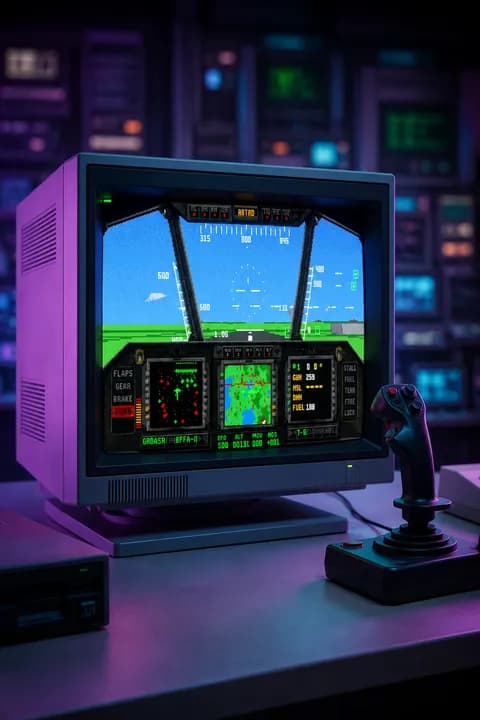 Owl Fly IIDenis Kirin · 2026
- ConstructorAcclaim Entertainment, Inc. · 1997
- Indiana Jones and the Fate of AtlantisLucasArts Entertainment Company, LLC · 1992
 BloodGT Interactive Software Corp. · 1997
- Dungeon KeeperElectronic Arts, Inc. · 1997
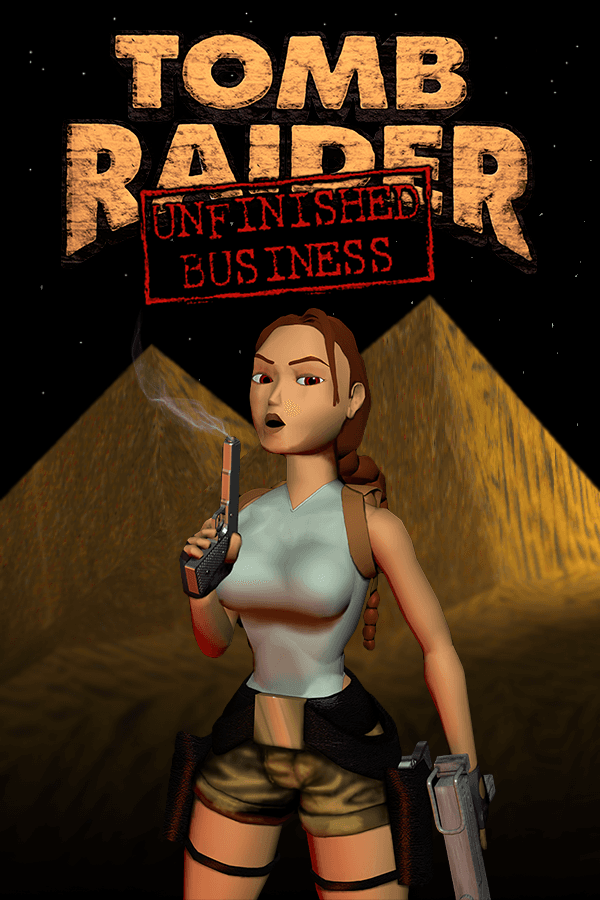 Tomb Raider GoldEidos, Inc. · 1998
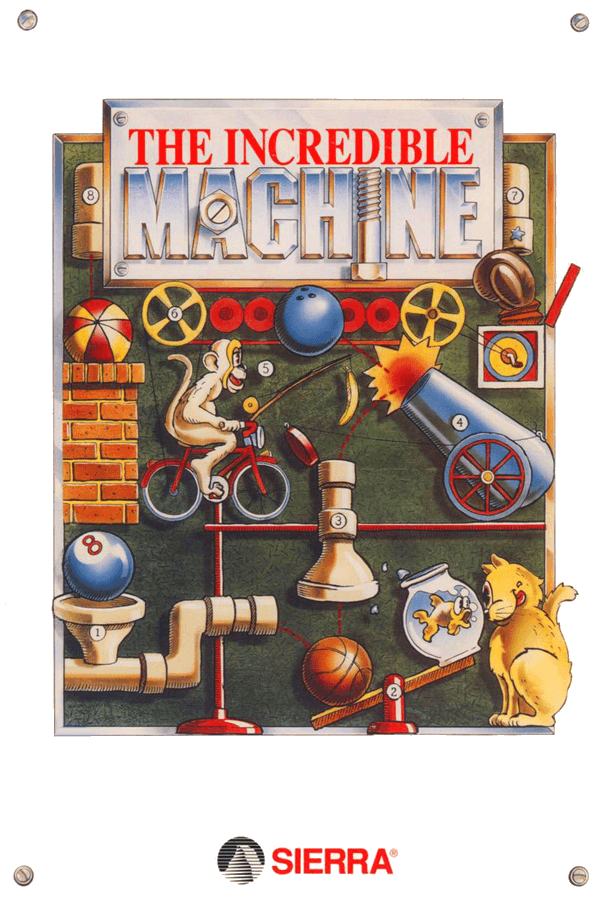 The Incredible MachineSierra On-Line, Inc. · 1993
- Strip Poker Professional rev. BArtworx Software Company, Inc. · 1995
- Prince of PersiaBrøderbund Software, Inc. · 1990
Rate one classic, change the list
Rate the games you know, no account needed, and sign in to write reviews and build a library. Every rating moves the public ranking, and there is no editorial board sitting above it. Playing is free — an optional Supporter membership removes the ads and adds cloud saves.
Every game free · Community-ranked · No title is ever paywalled