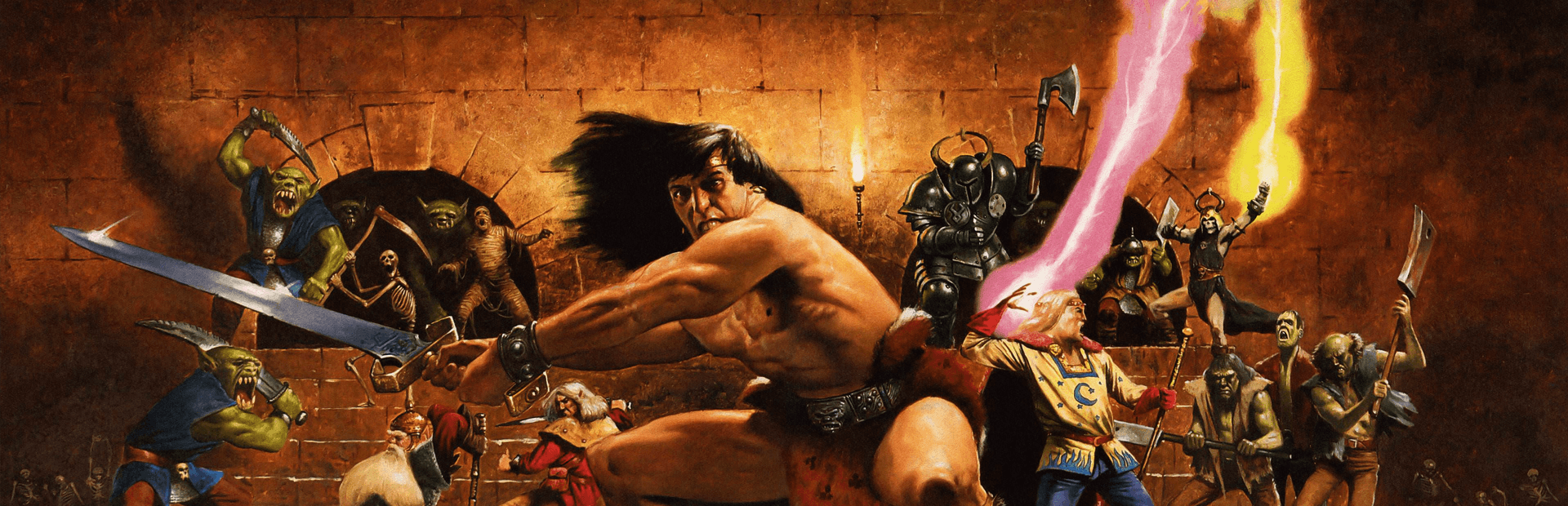
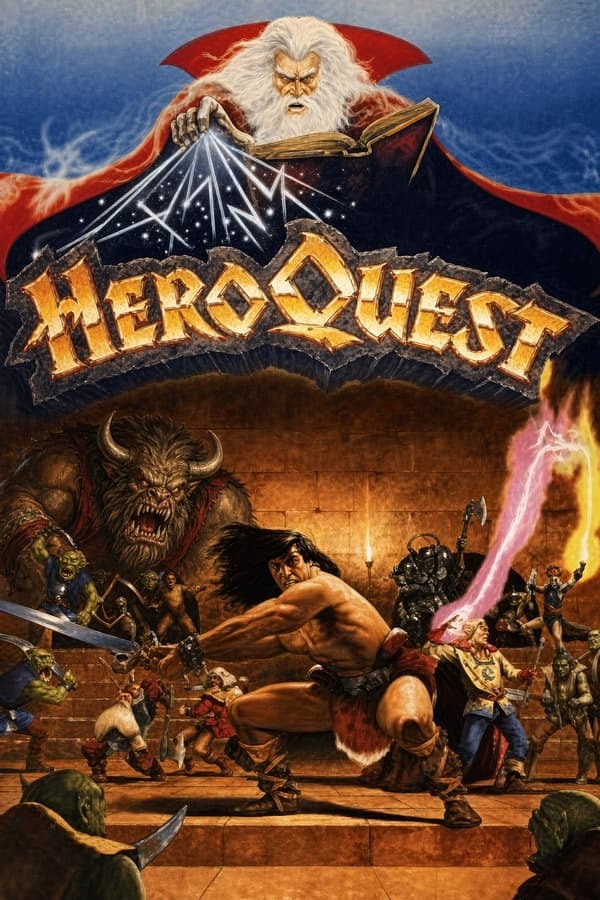

In 1991, 221B Software Development took Milton Bradley's tabletop hit HeroQuest and crammed its plastic miniatures, cardboard furniture, and dice-driven combat onto a single MS-DOS floppy disk.
Converting plastic miniatures into a digital board game
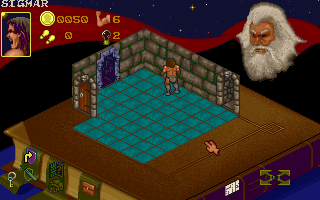
Bringing a physical tabletop game to computer screens in 1991 meant translating physical dice rolls into digital icons. Stephen Baker and Michael Hart had designed a board game built around tactile fun: shaking combat dice, placing plastic doors on a cardboard grid, and moving miniatures through dark corridors. 221B Software Development had to make those actions work inside an isometric interface on standard PC displays.
The transition created a famous corporate headache across the Atlantic. Sierra On-Line had to rename their acclaimed adventure series from Hero's Quest to Quest for Glory because the trademark rights belonged to the board game. Meanwhile, publisher Gremlin Graphics Software Limited pushed the digital adaptation onto practically every home computer format available, including the Amiga, Commodore 64, and ZX Spectrum.
How HeroQuest handles movement and combat on the grid
You control a party of up to four distinct adventurers: the Barbarian, Dwarf, Elf, and Wizard. Their goal across 14 turn-based missions is to thwart the schemes of the evil Wizard Morcar. Every turn revolves around a strict sequence. You roll digital dice for movement distance, then use an icon-based menu to search rooms, open doors, disarm hidden traps, or attack lurking monsters.
The campaign operates on a strict gold economy between quests. Survivors take their hard-earned coins to the shop to buy critical gear:
- Tool Kit: Essential for characters who need to disarm dangerous floor traps without triggering damage.
- Helmet and Borin's Armour: Gear that adds crucial defensive dice to survive heavier enemy hits.
- Orcs Bane and Spirit Blade: Weapons tailored for bonus attacks against specific foes like Orcs, Skeletons, Zombies, and Mummies.
- Wand of Recall and Talisman of Lore: Artifacts that expand a spellcaster's tactical utility and magical endurance.
The decision loop is unforgiving. Moving into an unexplored room without action points left to search for traps often means stepping straight onto a pitfall. If your Wizard gets cornered by Chaos Warriors, a single bad defense roll can kill them outright before anyone can cast a healing spell.
The sound card magic and where the single-player experience falters
Sound design varies wildly depending on your 1991 rig. If you owned a Roland MT-32 synthesizer, composer Barry Leitch's intro score sounded rich and heroic. On a standard PC speaker, it was reduced to thin, rhythmic beeps. The atmospheric visual work by cover artist Les Edwards helped sell the dark fantasy atmosphere, but actual character animations on screen remain sparse and stiff.
Contemporary reviewers praised how easy the rules were to learn. The One magazine rated the Amiga release at 91%, praising it as a faithful digital conversion, though they noted the basic combat animations. Computer+Video Games hailed it as a breeze to pick up. Yet playing the 1991 DOS version solo reveals clear limitations. Without friends sitting around the table, rolling digital dice against a quiet computer opponent feels mechanical and repetitive.
Why this tactical crawler still deserves a run today
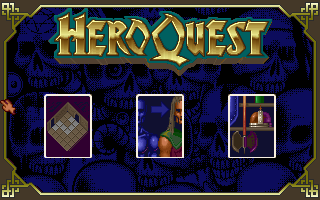
As a pure strategy / tactics experience, the game lacks deep character progression or complex skill trees. Your party members do not gain experience points, and combat comes down strictly to gear and dice rolls. But that raw simplicity is also why a single mission plays quickly. You focus on line-of-sight, resource management, and surviving Morcar's deadlier dungeon layouts.
Developer 221B Software Development captured the core ruleset cleanly. While an NES port never made it past the prototype stage, the computer game earned an official expansion called Return of the Witch Lord. For quick dungeon crawling without long character-creation menus, the original digital board game retains its blunt charm.
You can play HeroQuest free in your browser right now, with no extra setup required. Launch the game, pick your four heroes, and see if your Wizard can clear the very first dungeon room without stepping on a spear trap.