
Infestation
Rate this game
- Played
- Often
When you step onto the moon surface in Infestation, Psygnosis gives you 167 alien eggs to poison with cyanide capsules before the colony compound goes critical and blows you to dust.
Survival simulation masquerading as a 1st-person shooter
Most 3D action games from 1990 threw you into a corridor with a gun and expected you to hold down the fire button until everything stopped moving. Psygnosis took a completely different angle with this title. As mercenary Kal Solar, landed on the Alpha II research station on the moon of Xelos, your laser gun is almost an afterthought. The real enemy is the ecosystem of the suit you are wearing, the colony's failing life support systems, and a clock ticking down while 167 alien eggs mature beneath the soil.
Before you even fire a weapon, you spend your first few minutes inside the helmet HUD managing basic physics and physiology. You have to monitor battery power, internal food stores, suit cooling, and breathable air. Open your helmet on the airless exterior surface of Xelos to conserve compressed oxygen and you suffocate in seconds. Forget to track your suit power while running the jetpack or infrared kit, and you will freeze inside a silent metal shell long before an alien insect reaches you.
The filled 3D vector engine renders solid-polygon structures that were ambitious for an action release of its time. On standard PC hardware of the era, those solid polygons meant the frame rate crawled unless you possessed a top-tier machine. Moving across the lunar surface past security towers and complex docking bays demands patient navigation rather than twitch reactions.
How the claustrophobic underground corridors of Infestation work
Once you drop down from the crater surface into the underground base, the game shifts from wide open vector landscapes to tight, interconnected decks. Navigating the complex requires finding air vents, riding elevators between levels, and locating cooling systems hidden behind wall panels. Without an automated on-screen map, you end up drawing layout diagrams on a notepad by hand to keep track of keycards and terminal locations.
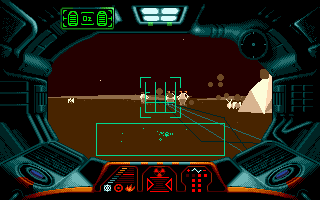
Interacting with the station requires manual computer work. You cannot just bump into a console to download data. You must turn Solar to face the flashing terminal squares, hit F2, and manually type KAL SOLAR to log into the main system. This attention to procedural detail makes the facility feel like an actual physical structure rather than a simple maze, even if it severely slows down the pacing.
Combat itself is frantic and brutal. Floating cube entities, sentinel heads, and security robots guard the decks alongside the alien hatchlings. Shooting feels secondary to survival; your laser bolt eats power, and hitboxes on fast-moving insectoids can be tricky to line up in solid 3D space. Instead of blasting through rooms, you often lure enemies into narrow corridors or use cyanide gas capsules to clean out egg chambers before moving on.
Visual ambition, technical strain, and the art behind the box
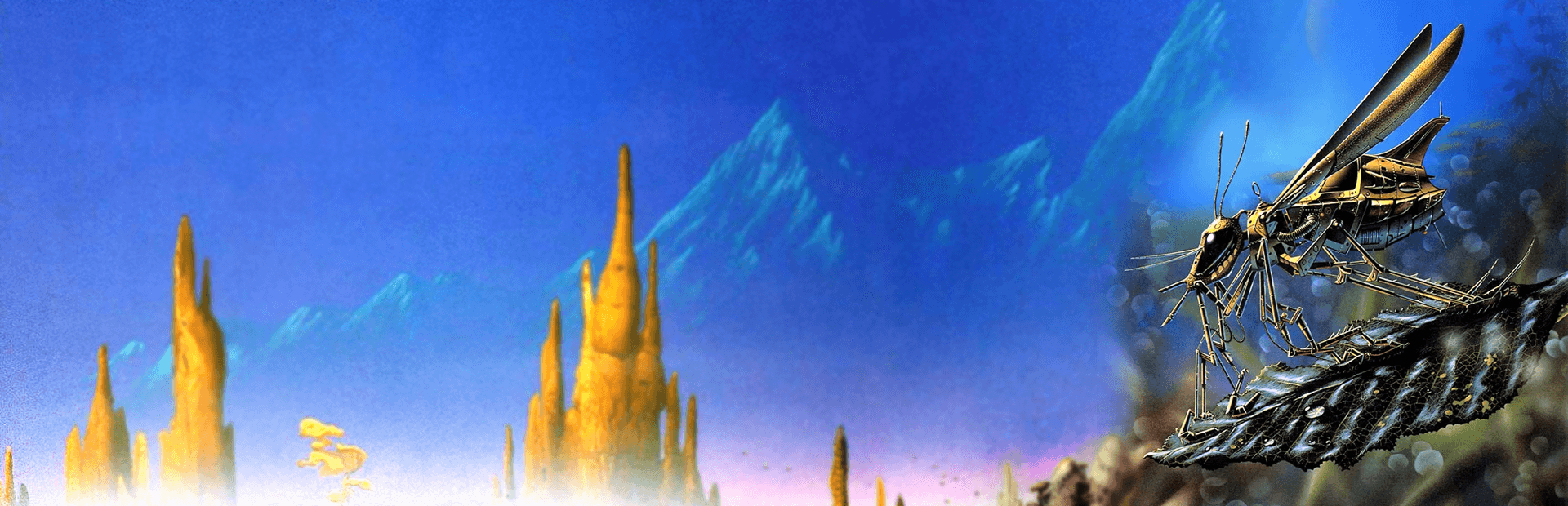
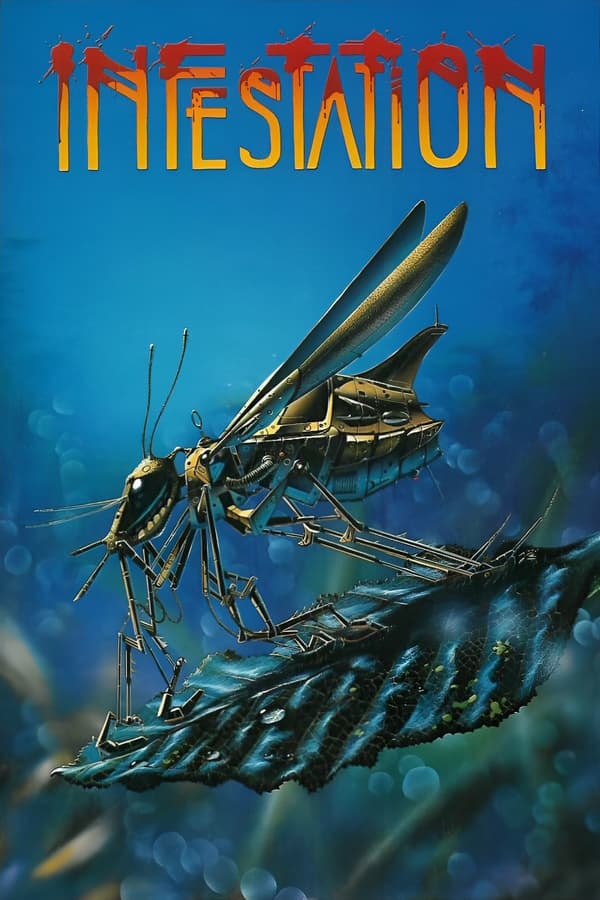
Developer Psygnosis was famous for lavish packaging and art design, and this project was no exception. The striking box cover by artist Tim White was originally painted for the cover of the science fiction paperback novel Dark Side of the Sun, complemented by Roger Dean's distinct studio logo. Programmer Danny Gallagher, coming from Vektor Grafix, pushed the solid 3D polygon engine to handle complex multi-deck interior structures that few contemporary PC games attempted.
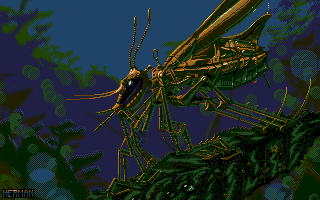
That technical ambition came at a cost that contemporary reviewers pointed out immediately. Magazines like CU Amiga and Zzap!64 praised the overwhelming tension and Alien-inspired atmosphere, but players were quick to voice frustration over the steep learning curve. The air vents all look identical, the trial-and-error air supply mechanics punish small mistakes, and the initial lack of clear guidance leaves unprepared players stranded in the lunar dirt.
If you find yourself stuck without oxygen or lost in the endless gray vents, the developers left a back door open. Press key 5 on your numerical keypad to bring up the internal scratchpad interface, then type I AM NOT A CHEAT to give Solar a fighting chance against the moon's lethal wildlife.
Why you should drop onto Xelos tonight
This is not a smooth, mindless arcade shooter where you run through hallways holding down the trigger. It is a slow, methodical sci-fi survival puzzle that demands planning, mapping, and strict resource management. While the repetitive interior textures and unforgiving depletion rates for food and oxygen can test your patience, the sheer tension of hunting down all 167 eggs across a silent lunar installation still delivers a unique challenge.
I recommend tackling it with a physical notepad beside your keyboard, just as players did in 1990. The Infestation MS-DOS game offers a fascinating look at an era when developers were trying to figure out how 1st-person environmental simulation should work before standard conventions took hold.
You can play Infestation online right now, running the full Infestation free in your browser without setting up old hardware or configuring system memory. Fire up your suit systems, log into the nearest console, and see if you can exterminate the colony's unwanted guests before your air tanks run dry.
How Infestation is played — the keys the game listens to, grouped by what they do.
- Action
- Interface
Highlighted keys are mapped — hover or tap one to see what it does.
Players' controls
Touch and gamepad controls
The on-screen keyboard and gamepad mapping the browser player uses on a phone, a tablet or a controller, as opposed to the real keys above. $PRO members make their own in the player and share them here; anyone can pick one to play with.
Make your own touch controlsPRO
- 1Open the editorSign in below, then pick what to make. The game starts with the editor open over it.
- 2Place your keysAdd keys and drag them where your thumbs rest, or map a controller's buttons. Test plays the game with them; Save keeps them, and you play with them from then on.
- 3Share themShare them right after saving in the game, or name and share them here. Players vote, and the best become this game's controls for everyone.
Go PROSee how it worksSign in+20 XP for sharing · +50 XP if yours become the game's own
- The game's own controlsKeyboardGamepadWhat every player starts with.In use
2 screenshots
From the archive
No gameplay video yet
No gameplay video for Infestation yet. Sign in to add one.
No reviews yet
Tell the community what you think of Infestation. Reviews are public and tied to your username.
No archived manuals for Infestation yet
No manuals archived for this title yet. Sign in to upload the first scan.
Cheat codes, console commands and memory pokes for Infestation — each one verified and attributed.
Sign in to submitNo cheats yet for this title
Know a working cheat, poke or trainer? Add it with the button above. Moderators check every entry before it goes live.
No archived soundtrack for Infestation yet
No soundtrack archived for this title yet. Sign in to upload the first rip.
No save states for Infestation yet
No save states for this title yet. Sign in to share one.
Discussions
Sign in to post- Threads0
- Total posts0
- Online now6
Community · Infestation
Who's contributing, and what's new
- Reviews0
- Threads0
- Uploadsapproved0
- Contributors0
Recent activity
Nothing here yet
Reviews, discussion threads and approved uploads appear here as members add them.