


Lands of Lore: The Throne of Chaos
aka Lands of Lore: Chaos Na Tronie · Lands of Lore: Kaosu no Gyokuza
Streaming build
Checking storage…217 MB
Preload in background
JIT compiler
Rate this game
Rating 5.0
- Rating
- 5.0/ 5
- Played
- A lot
Strip away the stat screens and manual point allocation, and Lands of Lore: The Throne of Chaos reveals itself as one of the cleanest real-time dungeon crawlers to ever drop a player into a grid full of monsters. Westwood Studios took the tile-based movement made famous by classic dungeon crawlers and turned it into a smooth, story-focused fantasy adventure.
Selecting a hero in Lands of Lore: The Throne of Chaos sets up a smooth ride
Starting the game skip the endless dice-rolling and character creation screens common in early nineties computer RPGs. Instead, you choose one of four pre-made heroes to lead the quest against the shapeshifting sorceress Scotia: human warrior Michael, balanced fighter Conrad, feline Kieran, or reptilian magic-user Ak'shel. Each champion offers a distinct balance of starting attributes, but nobody is locked into a rigid path.
Character progression relies on a practical skill system that updates automatically as you play. Your party members improve across three distinct categories through direct action:
- Fighter skill: Increases by striking enemies in close-quarters melee combat.
- Mage skill: Levels up as you cast spells from your spellbook during encounters.
- Rogue skill: Grows whenever you launch ranged attacks with throwing weapons or bows.
This automated skill tracking keeps the pacing quick as you venture out from Gladstone Keep to find a cure for King Richard LeGré. Temporary companions like Timothy, Lora, and the four-armed warrior Baccata join your journey along the way. Equipping your group uses a visual paper-doll interface, letting you drag rings, weapons, and body armor directly onto character portraits without juggling endless submenus.
Puzzles play fair, but the White Tower brings a brutal difficulty wall
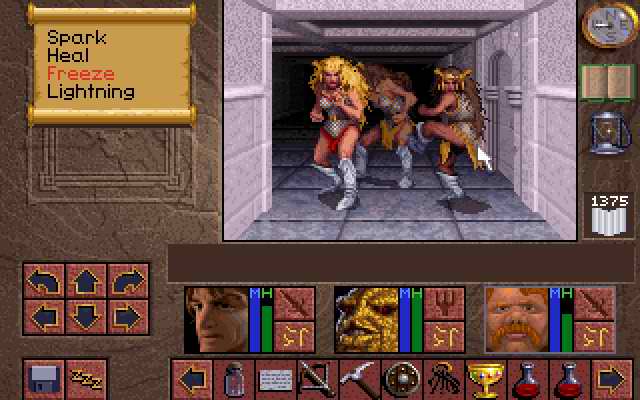
Exploration stays grounded in a top-down auto-mapped grid, sending your party through dense forests, damp swamps, the Draracle Caves, and mystical towers. Puzzles usually demand visual observation rather than arbitrary guessing. You will spend plenty of time hunting for hidden wall switches, picking locks, and finding specific key items like inserting a Sapphire Eye or Emerald Eye into decorative dragon carvings to reveal hidden passageways.
While early magazine reviews from publications like Computer Gaming World and Dragon praised the approachable puzzle logic, the combat balancing takes a nasty turn mid-game. Step into the White Tower, and the combat difficulty jumps drastically. Monsters hit harder, attack quicker, and turn narrow hallway steps into fatal bottlenecks.
Ranged combat suffers badly late in the game. Bows and throwing items feel underpowered against heavily armored beasts, leaving your Rogue skills underused. Winning tough fights often boils down to the classic dungeon crawler dance: swinging a heavy weapon, slinging an offensive spell, and taking a step backward down a corridor while your attack timers cool down.
Audio design and Hollywood voice acting set a high bar
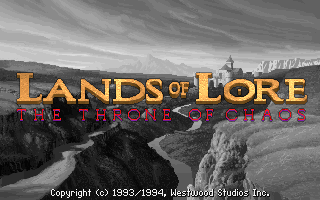
When developer Westwood Studios, Inc. released the title in 1993 with publisher Virgin Interactive Entertainment, Inc., the audiovisual design set a strong standard for MS-DOS setups. Composers Frank Klepacki, Paul Mudra, and Dwight Okahara crafted a dynamic soundtrack that adapts to ambient exploration and sudden monster attacks across AdLib, Sound Blaster, and Roland MT-32 audio cards.
The 1994 CD-ROM re-release added an astonishing upgrade for fantasy fans. Westwood paid $30,000 to hire British actor Patrick Stewart to provide full voice acting for King Richard LeGré. Hearing Stewart deliver lines during the opening sequence gave the game a dramatic weight that few contemporary role-playing (RPG) games could rival.
Inventory clutter and linear routes show where it stumbles
Despite heavy press praise on release, including high marks from Génération 4 and PC Zone, some original design choices irritate modern players. The inventory backpack holds very few slots, forcing you to make frustrating sacrifices between crucial healing salves,quest keys, and magical trinkets. Single-use magic cards quickly clog up bag space, while awkward inventory scrolling can make grabbing a vital potion mid-fight a stressful experience.
Replay value remains relatively low due to the strict linear structure of the world map. While choosing a different starting hero alters your early magic reserves and health pools slightly, the overarching storyline and quest triggers remain fixed. Once you solve the mystery of the Nether Mask and defeat Scotia, very few narrative surprises remain to draw you back through a second playthrough.
You can play Lands of Lore: The Throne of Chaos free in your browser right now
Cramped inventory slots and sudden late-game difficulty spikes will test your patience, but exploring these dungeons still holds up. Real-time combat keeps a brisk pace, the wall graphics give each floor clear identity, and strong voice work brings the grid-based crawler to life.
You can experience this entire Lands of Lore: The Throne of Chaos MS-DOS game directly in your browser without installing software or fiddling with system settings. You can play Lands of Lore: The Throne of Chaos online right now, right here on this page. Pick your champion, explore Gladstone Keep, and battle the Dark Army free in your browser today.
How Lands of Lore: The Throne of Chaos is played — the keys the game listens to, grouped by what they do.
- Movement
- Action
- Interface
- Left click — Main interaction / Attack
Highlighted keys are mapped — hover or tap one to see what it does.
Main interaction, combat, and inventory management are primarily driven by the mouse. Audio settings and configuration are handled outside the game via INSTALL.EXE or SETUP.EXE.
Players' controls
Touch and gamepad controls
The on-screen keyboard and gamepad mapping the browser player uses on a phone, a tablet or a controller, as opposed to the real keys above. $PRO members make their own in the player and share them here; anyone can pick one to play with.
Make your own touch controlsPRO
- 1Open the editorSign in below, then pick what to make. The game starts with the editor open over it.
- 2Place your keysAdd keys and drag them where your thumbs rest, or map a controller's buttons. Test plays the game with them; Save keeps them, and you play with them from then on.
- 3Share themShare them right after saving in the game, or name and share them here. Players vote, and the best become this game's controls for everyone.
Go PROSee how it worksSign in+20 XP for sharing · +50 XP if yours become the game's own
- The game's own controlsKeyboardGamepadWhat every player starts with.In use
2 screenshots
From the archive
No gameplay video yet
No gameplay video for Lands of Lore: The Throne of Chaos yet. Sign in to add one.
No reviews yet
Tell the community what you think of Lands of Lore: The Throne of Chaos. Reviews are public and tied to your username.
No archived manuals for Lands of Lore: The Throne of Chaos yet
No manuals archived for this title yet. Sign in to upload the first scan.
Cheat codes, console commands and memory pokes for Lands of Lore: The Throne of Chaos — each one verified and attributed.
Sign in to submitNo cheats yet for this title
Know a working cheat, poke or trainer? Add it with the button above. Moderators check every entry before it goes live.
No archived soundtrack for Lands of Lore: The Throne of Chaos yet
No soundtrack archived for this title yet. Sign in to upload the first rip.
No save states for Lands of Lore: The Throne of Chaos yet
No save states for this title yet. Sign in to share one.
Discussions
Sign in to post- Threads0
- Total posts0
- Online now6
Community · Lands of Lore: The Throne of Chaos
Who's contributing, and what's new
- Reviews0
- Threads0
- Uploadsapproved0
- Contributors0
Recent activity
Nothing here yet
Reviews, discussion threads and approved uploads appear here as members add them.